If you’ve been searching for where is hiatal hernia pain located on a woman, you’re probably dealing with an uncomfortable, confusing symptom that doesn’t quite match anything you’ve felt before. Maybe it’s a burning sensation under your ribs, a tight pressure in your chest, or a dull ache that shows up right after meals. You’re not imagining it, and you’re not alone — hiatal hernias are far more common than most women realize, especially after age 50.
In this guide, we’ll break down exactly where is hiatal hernia pain located on a woman, what it feels like, how it differs from other conditions, and when it’s time to call a doctor. We’ll also cover related questions like what causes a hernia, how to check yourself for one, and how to relieve hernia pain at home.
Disclaimer: This article is for educational purposes only and is not a substitute for professional medical advice, diagnosis, or treatment. Always consult a licensed healthcare provider about your symptoms.
What Is a Hernia?
Before we zoom in on hiatal hernias specifically, it helps to understand what is a hernia in general terms. A hernia occurs when an internal organ or tissue pushes through a weak spot in the surrounding muscle or connective tissue wall that’s supposed to hold it in place. Think of it like a small tear in the lining of a bag — whatever is inside can bulge out through that weak point.
Hernias can develop in several areas of the body, including:
- The groin (inguinal hernia)
- The belly button (umbilical hernia)
- A previous surgical incision (incisional hernia)
- The diaphragm, where the stomach pushes upward into the chest cavity (hiatal hernia)
Each type has its own set of symptoms, but today we’re focusing specifically on the hiatal type and answering where is hiatal hernia pain located on a woman.
What Is Hiatal Hernia?
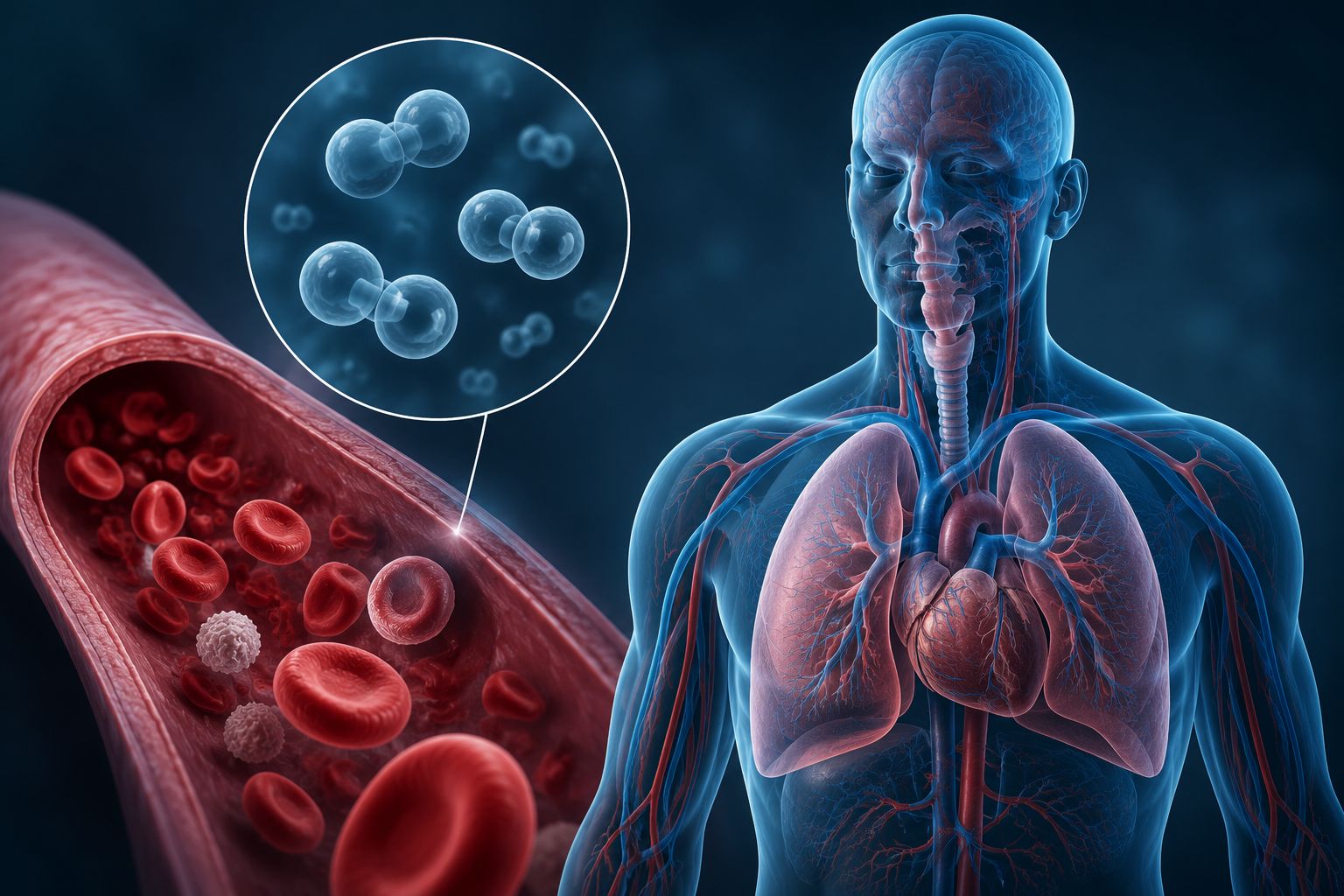
So, what is hiatal hernia exactly? A hiatal hernia happens when the upper part of the stomach pushes up through the diaphragm — the muscle that separates your chest from your abdomen — through a small opening called the hiatus. Normally, only the esophagus passes through this opening. But when the hiatus weakens or enlarges, part of the stomach can slip upward into the chest cavity.
There are two main types:
- Sliding hiatal hernia — the most common type, where the stomach and the section of the esophagus that joins the stomach slide up into the chest and back down.
- Paraesophageal hernia — less common but more serious, where part of the stomach pushes through the hiatus and sits next to the esophagus.
Many small hiatal hernias cause no symptoms at all and are found by accident during unrelated medical scans. But when symptoms do appear, understanding where is hiatal hernia pain located on a woman can help you recognize the problem early.
Where Is Hiatal Hernia Pain Located on a Woman?
This is the core question, so let’s answer it directly. Where is hiatal hernia pain located on a woman typically comes down to three main areas:
1. Upper Abdomen (Just Below the Breastbone)
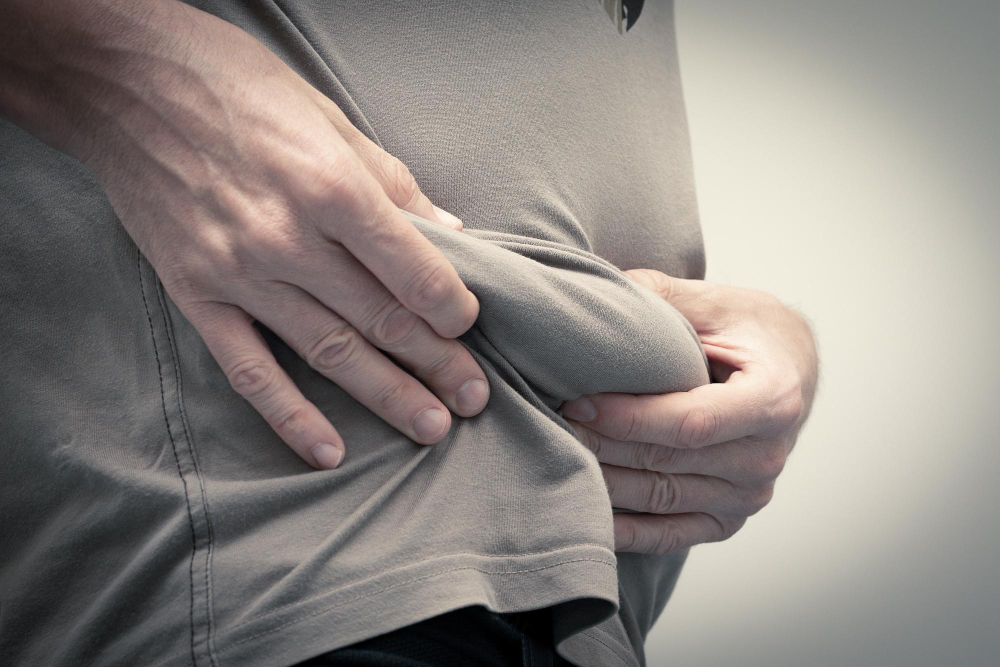
Most women describe hiatal hernia discomfort as a dull ache or burning sensation in the upper abdomen, just below the sternum. This is where the stomach is pressing against the diaphragm.
2. Chest, Especially Behind the Breastbone
Because the hernia pushes stomach tissue upward into the chest cavity, many women feel pain or pressure behind the breastbone — sometimes mistaken for heart-related pain. This is one of the most frequently reported locations when discussing where is hiatal hernia pain located on a woman.
3. Radiating to the Back or Between the Shoulder Blades
In some cases, the discomfort doesn’t stay in one spot. It can radiate toward the mid-back or between the shoulder blades, particularly after large meals, lying down, or bending over.
Why Location Can Vary in Women
Hormonal fluctuations, pregnancy history, abdominal muscle laxity, and even the position of internal organs can all influence exactly where a woman feels hiatal hernia pain. This is why two women with the same diagnosis might describe their symptoms very differently.
What Does a Hernia Feel Like?
Understanding what does a hernia feel like can help you distinguish a hiatal hernia from other digestive or muscular issues. Commonly reported sensations include:
- A burning feeling in the chest or upper stomach (often mistaken for heartburn)
- Pressure or fullness after eating even small amounts
- A sour or bitter taste in the mouth from acid reflux
- Difficulty swallowing or a sensation of food getting “stuck”
- Shortness of breath if the hernia is large enough to press on the lungs
- Bloating and belching
Symptoms often worsen when lying flat, bending forward, or after heavy meals — and they may ease when sitting upright.
What Causes a Hernia?
There isn’t one single answer to what causes a hernia, especially the hiatal type. Instead, it usually results from a combination of factors that weaken the diaphragm or increase pressure on the abdomen, such as:
- Age-related muscle weakening — the diaphragm naturally loses some strength over time
- Chronic straining — from persistent coughing, constipation, or heavy lifting
- Obesity — extra abdominal pressure pushes upward on the diaphragm
- Pregnancy — increased abdominal pressure can contribute to hernia development
- Genetics — some people are simply born with a naturally larger hiatal opening
- Smoking — linked to weakened connective tissue
- Previous injury or surgery in the area
Recognizing these risk factors can help explain why some women develop hiatal hernias while others don’t.
How Do I Check Myself for a Hernia?
While only a doctor can officially diagnose a hiatal hernia (usually via endoscopy, barium swallow X-ray, or CT scan), you might wonder, how do I check myself for a hernia at home before booking an appointment.
Here’s what you can safely observe:
- Track your symptoms after eating. Note if burning, pressure, or reflux consistently appears after meals.
- Pay attention to positional changes. Does discomfort worsen when you lie down or bend over, and improve when sitting up?
- Check for visible bulging — this applies more to hernias in the abdominal wall or groin, not hiatal hernias, since hiatal hernias occur internally and can’t be seen or felt from outside the body.
- Monitor for red-flag symptoms like difficulty swallowing, unexplained weight loss, or vomiting, which warrant prompt medical attention.
Because hiatal hernias are internal, self-checking has real limits. If your symptoms persist for more than two weeks, it’s time to see a physician for proper imaging and diagnosis.
What Can Be Mistaken for a Hernia?
One reason where is hiatal hernia pain located on a woman is such a commonly searched question is that the symptoms overlap heavily with other conditions. Understanding what can be mistaken for a hernia can prevent unnecessary worry — or help you seek the right care faster.
Conditions frequently confused with a hiatal hernia include:
- Gastroesophageal reflux disease (GERD) — often occurs alongside a hiatal hernia, making it hard to tell them apart
- Heart-related chest pain (angina or heart attack) — because hiatal hernia pain can occur behind the breastbone, it’s sometimes mistaken for cardiac symptoms, and vice versa
- Gallbladder disease — upper right abdominal pain and bloating can mimic hernia symptoms
- Peptic ulcers — burning stomach pain that worsens with certain foods
- Muscle strain — especially in the chest or upper abdominal wall
- Costochondritis — inflammation of chest cartilage that causes sharp, localized pain
Because chest pain can signal a cardiac emergency, any sudden, severe, or crushing chest pain — especially with shortness of breath, sweating, or pain radiating down the arm — needs immediate emergency evaluation to rule out a heart attack before assuming it’s hernia-related.
When to Worry About Hernia Pain
Most hiatal hernias are manageable and not immediately dangerous, but there are situations when to worry about hernia pain and seek prompt medical care:
- Severe, sudden chest or abdominal pain
- Vomiting that won’t stop, or vomiting blood
- Black or tarry stools (a sign of internal bleeding)
- Inability to pass gas or have a bowel movement, combined with pain
- Difficulty breathing
- A hernia bulge that becomes hard, discolored, or extremely tender (this can indicate strangulation, a surgical emergency)
If you experience any of these symptoms, don’t wait — go to an emergency room. For milder, chronic symptoms like recurring heartburn or post-meal discomfort, scheduling a visit with your doctor is the appropriate next step.
Can a Hernia Kill You?
It’s a frightening question, but a fair one: can a hernia kill you? In most cases, no — the vast majority of hiatal hernias are minor and cause nothing more than occasional discomfort or reflux. However, complications can turn serious in rare cases.
The biggest danger is a strangulated hernia, where the herniated portion of the stomach becomes trapped and loses its blood supply. This is a medical emergency that requires immediate surgery, as tissue can begin to die (necrosis) within hours. Paraesophageal hernias carry a slightly higher risk of this complication than the more common sliding type.
The takeaway: while a hiatal hernia itself is rarely fatal, ignoring warning signs of strangulation absolutely can be dangerous. Prompt diagnosis and monitoring are key to staying safe.
When Should I Worry About My Umbilical Hernia in Adults?
While this article focuses on hiatal hernias, many women researching hernia pain also ask, when should I worry about my umbilical hernia in adults, since it’s another common type. You should seek medical attention if:
- The bulge at your belly button becomes painful, red, or swollen
- It grows noticeably larger over time
- You experience nausea or vomiting alongside the bulge
- The area feels hard or cannot be gently pushed back in
Unlike hiatal hernias, umbilical hernias are visible and can often be felt as a soft lump, making self-checks more reliable for this type.
How to Relieve Hernia Pain
If you’re looking for practical ways on how to relieve hernia pain from a hiatal hernia, these lifestyle strategies are commonly recommended alongside medical treatment:
- Eat smaller, more frequent meals instead of large ones to reduce pressure on the stomach.
- Avoid lying down for 2–3 hours after eating to reduce reflux and pressure.
- Elevate the head of your bed by 6–8 inches to prevent nighttime acid reflux.
- Limit trigger foods such as spicy, fatty, or acidic foods, caffeine, and carbonated beverages.
- Maintain a healthy weight to reduce abdominal pressure.
- Avoid tight clothing around the waist and abdomen.
- Manage chronic coughing or constipation, both of which increase abdominal strain.
- Consider over-the-counter antacids or acid reducers — but only after consulting your doctor, especially for regular use.
These strategies won’t repair the hernia itself, but they can significantly reduce day-to-day discomfort while you work with your doctor on a longer-term plan.
Is Hernia Surgery Dangerous?
For hernias that don’t respond to lifestyle changes or medication, surgery may be recommended. Naturally, many women ask, is hernia surgery dangerous?
Like any surgical procedure, hiatal hernia repair carries some risk, but it’s generally considered safe, especially when performed laparoscopically (through small incisions). Potential risks include:
- Infection
- Bleeding
- Difficulty swallowing after surgery
- Reaction to anesthesia
- Rare risk of the hernia recurring
Surgeons typically only recommend surgery when the hernia is large, causing significant symptoms, or at risk of complications like strangulation. For most patients, the benefits of relieving chronic pain and preventing complications outweigh the risks.
How Long Does Hernia Surgery Take?
If surgery is on the table, you’re probably wondering how long does hernia surgery take. For a standard laparoscopic hiatal hernia repair, the procedure typically takes 1 to 3 hours, depending on the size and complexity of the hernia. Recovery time varies:
- Hospital stay: Often 1–2 days for laparoscopic procedures
- Return to light activity: Within 1–2 weeks
- Full recovery: Generally 4–6 weeks, though this can vary based on individual health and the extent of the repair
Open surgery (larger incision) may take longer both in the operating room and during recovery, but it’s less commonly needed today thanks to advances in minimally invasive techniques.
Final Thoughts
Understanding where is hiatal hernia pain located on a woman — typically in the upper abdomen, behind the breastbone, or radiating toward the back — can help you take symptoms seriously without panicking. Most hiatal hernias are manageable with lifestyle changes and medical guidance, and even when surgery is needed, modern techniques make recovery smoother than many expect.
If your symptoms are persistent, worsening, or accompanied by any red-flag signs, don’t self-diagnose based on internet searches alone. See a healthcare provider for proper imaging and a personalized treatment plan.