I remember the first time I heard about the Nipah virus outbreak. It wasn’t during a breaking news alert or a dramatic headline — it was buried deep in a health report I almost didn’t finish reading. And honestly? That’s what scared me the most.
This virus doesn’t show up often. It doesn’t trend on social media every year. But when it does appear, it hits hard. Brutally hard.
Nipah virus outbreaks are rare, yes — but they’re also among the deadliest viral events known to modern medicine. And that combination alone makes them worth paying attention to.
Let’s talk about what Nipah virus actually is, why outbreaks trigger such intense concern among health experts, and what makes this virus different from the ones we hear about every day.
What Is a Nipah Virus Outbreak?
A Nipah virus outbreak occurs when the Nipah virus — a zoonotic virus — spreads from animals to humans and then, in some cases, between humans.
This isn’t your average seasonal virus.
Nipah causes severe respiratory illness and fatal encephalitis (brain inflammation). Mortality rates have ranged anywhere from 40% to over 70% in recorded outbreaks, depending on location and healthcare response.
That number still makes me pause every time I read it. It’s unsettling in a way that’s hard to ignore.
The Origins of Nipah Virus (Etymology & Discovery)
The virus gets its name from Kampung Sungai Nipah, a village in Malaysia where it was first identified in 1998–1999.
The initial outbreak confused doctors. Patients showed neurological symptoms, pig farmers were getting sick, and standard treatments weren’t working.
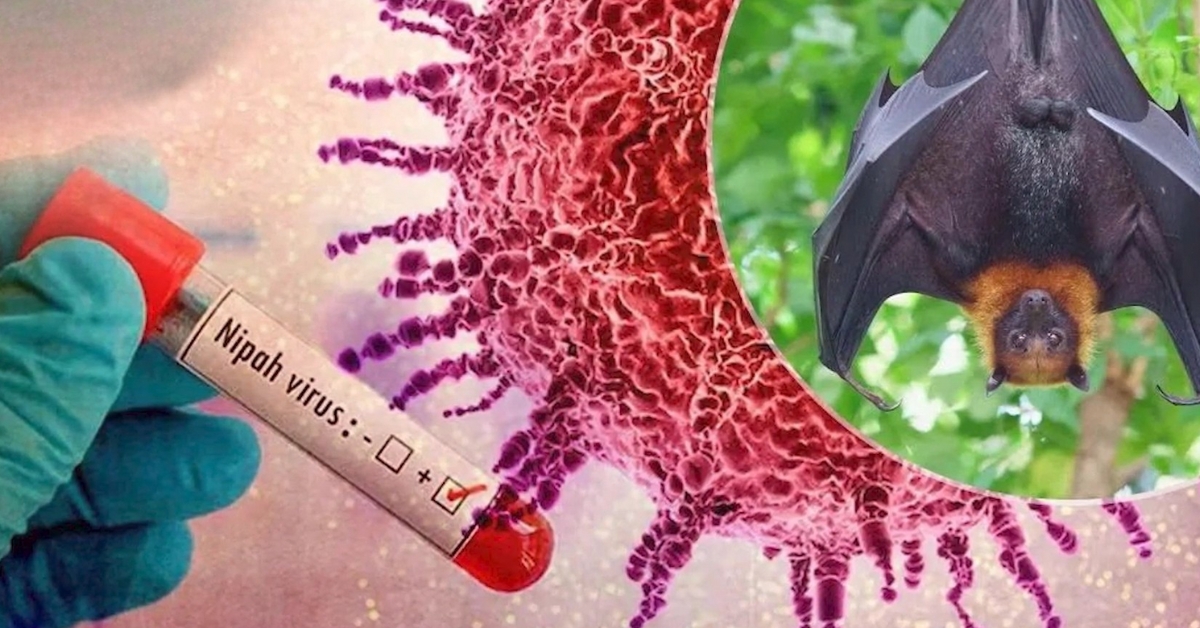
Eventually, researchers traced the source back to fruit bats — specifically Pteropus species — which remain the natural reservoir for Nipah virus.
That discovery changed how scientists think about zoonotic diseases. And frankly, it made the world feel a bit smaller.
How Nipah Virus Spreads
Bat-to-Human Transmission
Fruit bats can contaminate:
-
Raw date palm sap
-
Fruits
-
Surfaces near human dwellings
Humans become infected by consuming or handling contaminated food. This is one of those details that feels mundane until you realize how common those behaviors are.
Human-to-Human Transmission
This is the part that worries epidemiologists the most.
Close contact — especially in healthcare settings — can spread the virus. Caregivers, family members, and medical staff are particularly vulnerable during outbreaks.
Symptoms and Disease Progression
Early Symptoms
-
Fever
-
Headache
-
Muscle pain
-
Fatigue
Nothing alarming at first. That’s part of the danger.
Severe Complications
-
Disorientation
-
Seizures
-
Acute encephalitis
-
Respiratory distress
Some patients deteriorate rapidly — within days. Survivors may experience long-term neurological problems. Others don’t survive at all.
And I’ll be honest — reading survivor accounts is not easy.
Why Nipah Virus Has Such a High Mortality Rate
There’s no single reason. It’s a combination of factors.
-
No approved antiviral treatment
-
No widely available vaccine
-
Rapid disease progression
-
Limited healthcare resources in outbreak regions
Sometimes, outbreaks occur in rural areas where early diagnosis is difficult. By the time patients reach hospitals, it’s already too late.
That reality hits harder than any statistic.
Nipah Virus Outbreaks Through History
Outbreaks have occurred sporadically in:
-
Malaysia
-
Bangladesh
-
India
What stands out is their irregular nature. No predictable seasonal pattern. No consistent trigger.
Each outbreak teaches us something new — and also reminds us how much we still don’t know.
Diagnosis, Treatment, and Medical Response
Diagnosis
-
PCR testing
-
Serological tests
Diagnosis often requires specialized labs, which delays confirmation.
Treatment
There is no specific cure.
Treatment is supportive:
-
Managing symptoms
-
Intensive care
-
Preventing secondary infections
Experimental treatments exist, but they’re not widely accessible.
Prevention and Containment Strategies
This is where public health really matters.
-
Surveillance systems
-
Rapid isolation
-
Contact tracing
-
Community education
In some regions, something as simple as covering date palm sap containers has reduced transmission significantly.
Small interventions. Huge impact.
Why Nipah Virus Is Considered a Pandemic Threat
Experts worry not because Nipah is spreading fast — but because it could.
High mortality + human-to-human transmission + global travel = legitimate concern.
Unlike more contagious viruses, Nipah hasn’t mutated aggressively yet. But “yet” is doing a lot of work in that sentence.
Frequently Asked Questions (Q&A)
Q: Is Nipah virus contagious?
Yes, through close contact with infected individuals or contaminated materials.
Q: Is there a vaccine for Nipah virus?
Not yet, though research is ongoing.
Q: How deadly is a Nipah virus outbreak?
Fatality rates can exceed 70% in some outbreaks.
Q: Should the general public be worried?
Awareness matters more than panic. Preparedness saves lives.
Final Thoughts: Why Nipah Virus Outbreaks Deserve Attention
Nipah virus outbreaks don’t happen often — and maybe that’s why they don’t get sustained attention.
But in my experience, the most dangerous threats aren’t always the loudest ones. They’re the quiet, complex, and underestimated risks lurking just outside our daily awareness.
Nipah virus is one of them.
Understanding it doesn’t mean living in fear. It means being informed, prepared, and realistic about the world we live in — a world where human health, animal health, and environmental health are deeply connected.