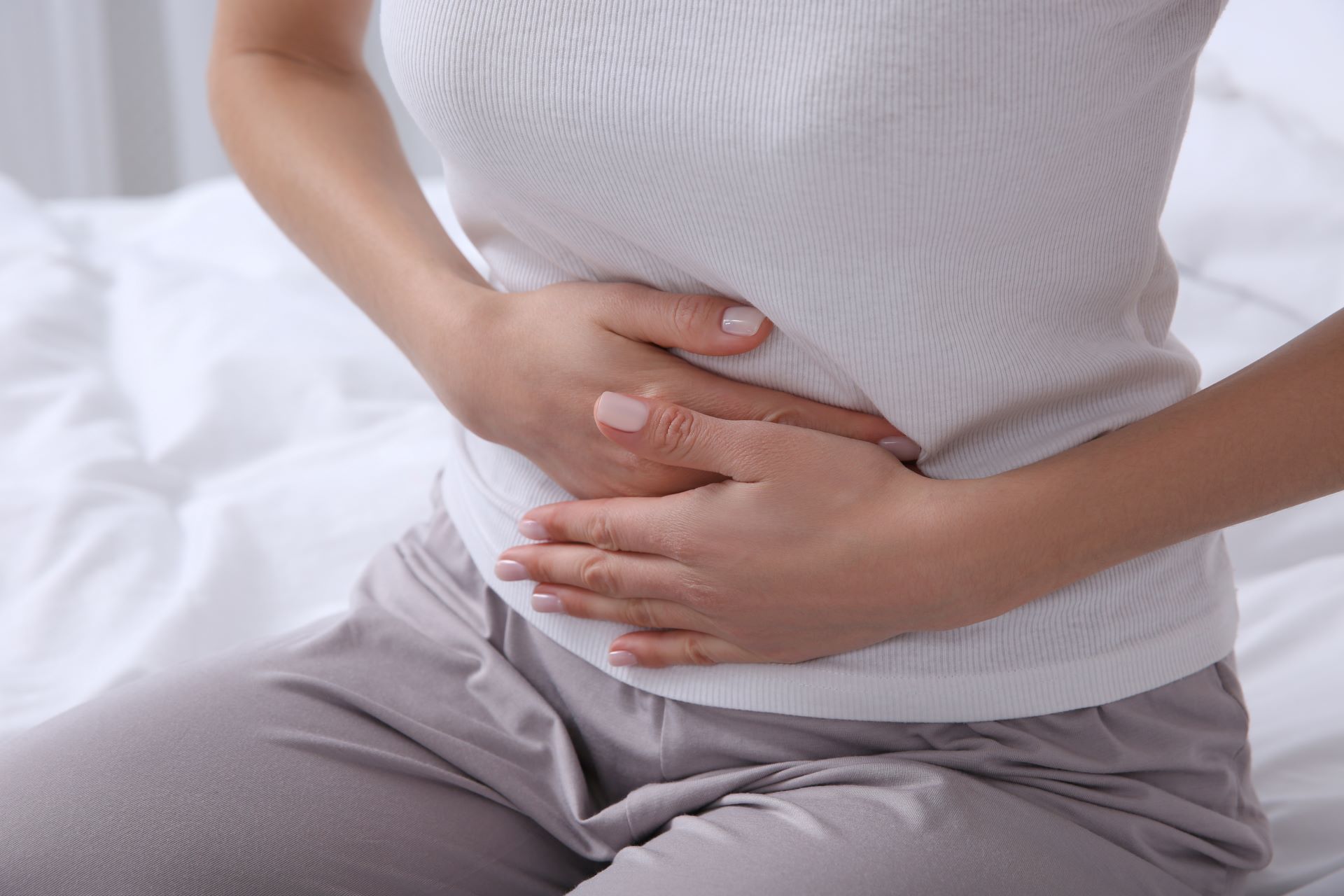
Constipation is a very prevalent digestive problem people suffer from. It leads to discomfort, bloating and difficult passage of stools. But a lot of people also ask: Can constipation cause back pain? The short answer is yes. Constipation, in some cases, can create bloating and pressure in the abdomen and lower digestive tract that causes pain to radiate into the lower back.
In this article, we’ll explore can constipation cause back pain, why it happens, the symptoms to watch for, and effective ways to relieve both constipation and related back discomfort.
What Is Constipation?
Constipation is when you have less frequent or hard to pass stool. Most medical professionals define constipation as fewer than three bowel movements per week — often hard or dry stools.
Common symptoms of constipation include:
- Straining during bowel movements
- Hard or lumpy stools
- Feeling of incomplete evacuation
- Abdominal bloating or discomfort
- Reduced bowel movement frequency
When stool accumulates in the colon, it can put pressure on surrounding areas of the body, including your lower back.
Can Constipation Cause Back Pain?
Yes, the question can constipation cause back pain is relevant. When stool stays in the intestines, it adds pressure to the abdomen and pelvic area. That pressure can compress nerves and muscles in the lower spine, causing discomfort or pain in the lower back.
In serious cases, a stool blockage in the colon can generate enough pressure to pinch nearby nerves. This is sometimes referred to as fecal impaction and can cause chronic lower back pain.
Why Constipation Can Lead to Back Pain
A few reasons link constipation to back pain.
- Pressure on the Spine
As stool accumulates in the colon, the enlarged bowel may push up against the lower back and spine. Such pressure can lead to mild or nagging pain in the lower back.
- Muscle Straining
Straining during the bowel movement process repeatedly can cause strain to the abdominal and lower back muscles. Over time, this strain can lead to soreness or stiffness.
- Nerve Compression
The digestive tract is near nerves channeling to the lower back. Too much pressure from extreme constipation can irritate these nerves and also result in referred pain.
- Gas and Bloating
Gas accumulation and abdominal distention can produce discomfort that radiates toward the back, particularly in the lower lumbar region.
Other Symptoms That May Occur Together
In addition to back pain, if constipation is the cause you might experience:
- Abdominal cramps
- Fullness in the stomach or heaviness
- Lower abdominal pressure
- Gas and bloating
- Pain that resolves after passing stool
If you are wondering can constipation cause back pain, then seeing these symptoms in conjunction may be a sign that digestive problems are the culprit.
When to See a Doctor
An isolated instance of constipation is typically not a cause for concern. But you should see a doctor if you have:
- Severe or persistent back pain
- Constipation that lasts longer than two weeks
- Blood in the stool
- Unexplained weight loss
- Vomiting or severe abdominal pain
These symptoms can be a sign of something more serious like bowel obstruction or gastrointestinal disorders.
How to Get Relief From Constipation and Back Pain
The good news: Alleviating constipation tends to alleviate back-related pain associated with it as well. Here are some effective strategies.
Increase Fiber Intake
Fiber helps make stool softer and keeps the bowels moving regularly. Good sources include:
- Whole grains
- Fruits like apples and pears
- Broccoli and carrots vegetables
- Legumes and beans
Drink More Water
Staying hydrated prevents hard stools and promotes healthy digestive function.
Exercise Regularly
It promotes bowel flow and aids gastrointestinal health.
Use Proper Bathroom Habits
Do not resist the need to go to the bathroom, since withholding stool in this way can worsen constipation.
Consider Mild Laxatives (If Needed)
Over-the-counter stool softeners or fiber supplements might help if lifestyle changes aren’t sufficient. But they should be used with caution.
Preventing Constipation in the Future
Avoiding constipation could also lower your risk of digestive-related back pain. Key habits include:
- Maintaining a high-fiber diet
- Drinking enough fluids daily
- Staying physically active
- Managing stress levels
- Establishing a regular bathroom routine
These practices keep the digestive system healthy and help ease pressure on the abdomen and lower back.
Conclusion
So, can constipation give you back pain? Yes, it can. As stool accumulates in the colon, it can exert pressure that influences adjacent muscles, nerves and the lower spine. The good news is that simple lifestyle changes — like eating more fiber, drinking plenty of fluids and exercising regularly — can bother relieve constipation and alleviate related back pain.
If the symptoms do not go away or you get worse, it is important to see a health care provider not only to rule out potentially serious conditions but also to receive proper treatment.