Ever wonder why babies have those impossibly squishy cheeks, but adults start losing a staring contest with gravity somewhere around 30? The answer sits inside a protein that sounds more like building material than beauty advice — collagen.
Plain and simple: Collagen is your body’s scaffolding. It’s about 30% of all the protein you’ve got. It holds your skin, bones, tendons, ligaments, blood vessels, and organs together. Without it, you’d basically be a very enthusiastic pile of jelly. Wobbly. Well-meaning. Not exactly structural.
Stick with me. This isn’t another boring health lecture. We’ll cover what collagen actually does, whether supplements are worth your money, and how to keep what you’ve already got. No jargon. No fear-mongering. Just stuff you can actually use.
And yes — everything here is clean. Safe to read out loud at dinner. Your grandma could read this and smile.
😂 What Is Collagen Chronicles, Really? A Painless Explanation
Think of your body as a building. Collagen is the rebar you never see but absolutely need. It’s made of three protein chains twisted together into what’s called a triple helix. That structure looks a lot like a steel cable. So the next time someone calls you strong, you can thank your collagen for being literally, structurally impressive.
Mayo Clinic keeps it simple: collagen is a structural protein. It lives in your bones, ligaments, tendons, skin, and blood vessels. It gives your skin bounce and your joints cushion.
Here’s the part that makes everyone groan. Around age 25, your body’s collagen production starts dropping by about 1% every year. That’s right. Your skin’s springiness is on a slow retirement plan. Like a snail that never takes a day off.
🌟 What Collagen Does for You: The Overachiever of Proteins
Collagen doesn’t have one job. It has like seven. And it does them all without complaining.
Skin: It is about 75 to 80% of your skin’s dry weight. It works with elastin to keep things bouncy. When it drops, skin starts its slow deflating balloon routine. You know it as wrinkles.
Joints and bones: It is a main part of cartilage. Some research shows collagen peptides may help with joint comfort and mobility, especially if you’re also moving around regularly.
Hair and nails: Hair and nails are mostly keratin, but the follicles and nail beds need this for support. One trial found women taking this peptides daily saw about 42% less nail breakage. Their nails also grew faster.
🍖 Can You Eat Your Way to More Collagen? The Kitchen Math
Real talk: your body doesn’t just take this from food and plug it into your skin. It breaks collagen down into amino acids first. Then it decides where those parts go. So the collagen you eat might end up in your knee. Or it might end up somewhere else entirely.
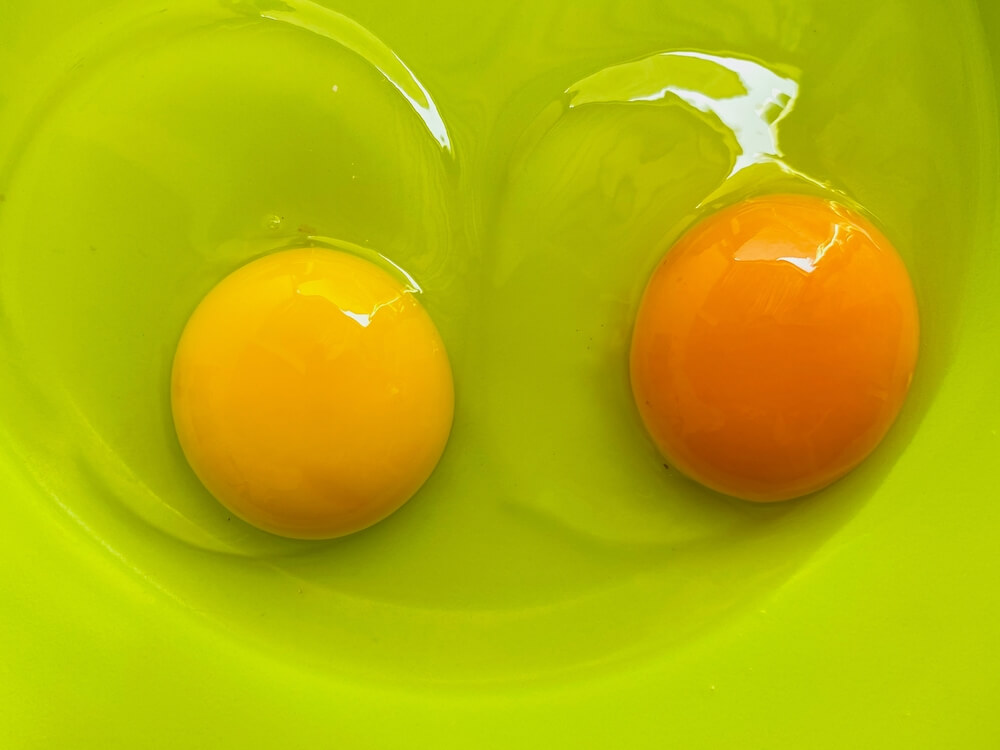
Traditional sources include bone broth, chicken with skin, fish skin, and eggs.
But here’s the painful math. To get a useful dose from bone broth alone, you’d need to drink about a bathtub full every day. That’s why hydrolyzed collagen peptides exist. They’re pre-cut into smaller pieces. Your body absorbs them more easily.
💊 Collagen Supplements: What the Science Actually Says
This is where we need a little humor to swallow the truth.
A 2025 review in ScienceDirect looked at 23 randomized controlled trials with 1,474 participants. The overall picture looked great. This supplements improved skin hydration, elasticity, and wrinkles.
But here’s the catch. When researchers looked only at studies not funded by supplement companies, the effect vanished. When they looked only at high-quality studies, it vanished again.
Translation: companies paying for the research tend to find results that favor their products.
Harvard Health said something similar in 2025. There’s some promising evidence, but big studies are still missing. Talk to your doctor before starting.
☀️ Protecting the Collagen You Already Have: Sunscreen Is the Real MVP
The best collagens strategy might not be adding more. It might be stopping the leak.
UV radiation is collagen’s number one enemy. It turns on enzymes called matrix metalloproteinases. Those enzymes literally chop collagen into pieces. In fact, up to 80% of visible facial aging comes from sun exposure.
So daily broad-spectrum sunscreen with SPF 30 or higher might do more for your collagen than the most expensive powder on the shelf.
Other collagen’s enemies include too much sugar, smoking, and poor sleep.
🎯 How to Use Collagen Humor in Everyday Life
Clean Collagen Jokes You Can Actually Share
The Construction Worker Joke:
Why does collagen never complain about its job?
Because it’s been holding everyone up for years and still hasn’t asked for a raise.
The Elastic Waistband Joke:
collagen’s is like an elastic waistband. Tight and supportive in your 20s. By your 40s, you’re just nostalgic about how it used to be.
How to Use These in Real Life
On social media, post a laughing photo. Caption it: “My collagen is currently competing in a last-one-standing contest.”
With friends: “I put on sunscreen today. Not for skincare. It’s insurance for my collagen.”
For motivation: “Age is just a number. Collagen is a physical reality. So I choose to laugh and apply SPF.”
🔍 Collagen FAQ: The Questions Everyone Asks
Q1: What is collagen?
It is the most abundant protein in your body. It makes up about 30% of your total protein. It acts like internal scaffolding, giving structure and elasticity to your skin, bones, tendons, ligaments, and organs. Its triple helix structure looks a lot like a steel cable.
Q2: Why is everyone talking about it?
Because it connects beauty and function. It loss is tied to skin sagging and wrinkles. Most people see that in the mirror every day. It’s also linked to joint comfort, bone strength, and muscle maintenance. And since it’s already in your body, it feels safer than some foreign chemical. Even though what happens to oral collagen once you swallow it is still a complicated story.
Q3: Do collagen supplements actually work?
Honest answer: it depends, and don’t believe every ad. Some good trials show collagen peptides can improve skin hydration, elasticity, and joint comfort. But the 2025 review found that when industry-funded studies were removed, the effects vanished. Harvard Health also says research is still early. Best take: it might help. Don’t expect miracles. And never skip sunscreen or a balanced diet.