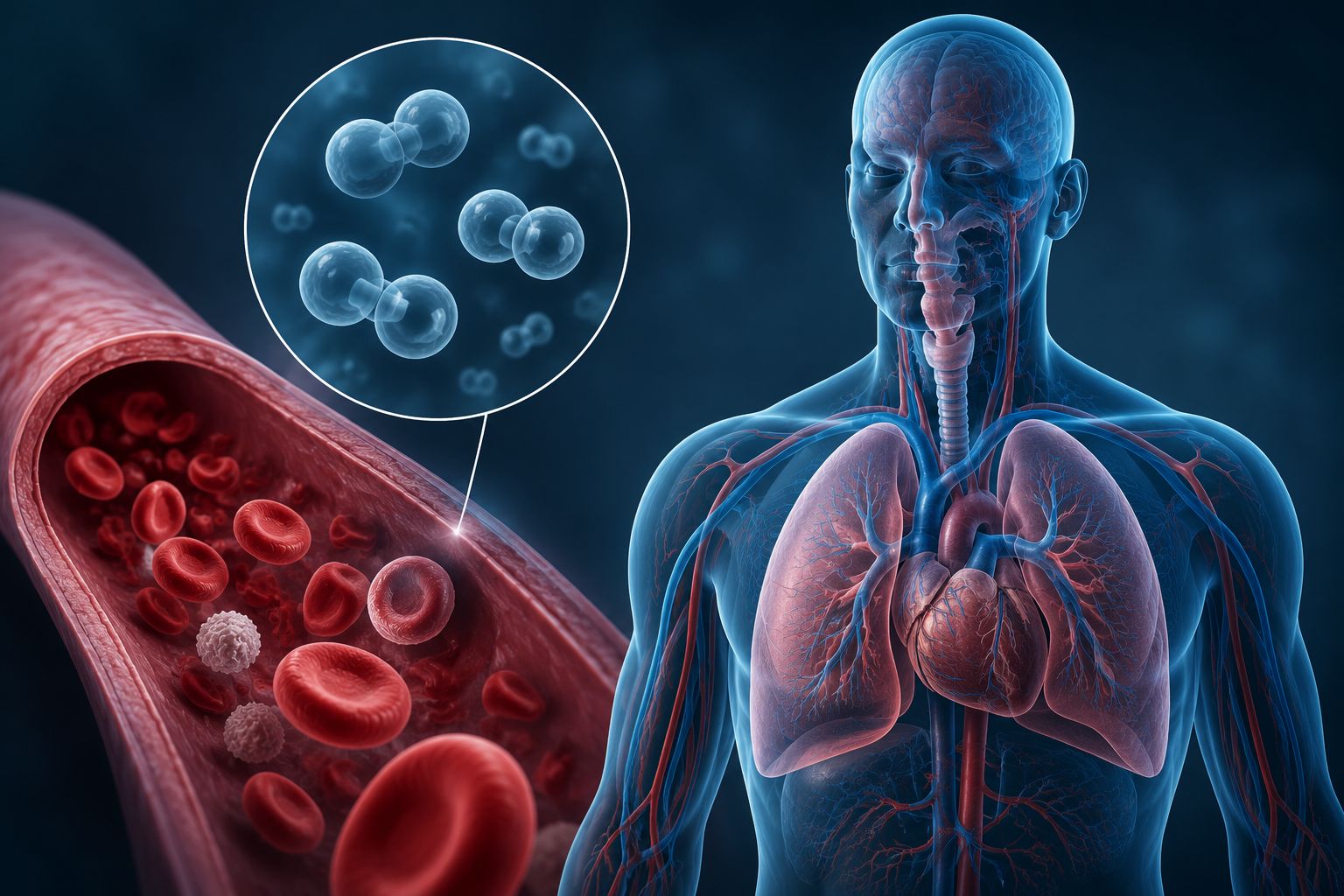
If you’ve never been told what that number really means, seeing “low” after carbon dioxide (CO2) on a routine blood panel can be alarming. Low carbon dioxide in blood test results are far more prevalent than most individuals realize, and because that they often indicate something detectable and manageable. This guide explains low carbon dioxide in blood causes, symptoms to look out for, and treatments of low carbon dioxide in blood once the cause is known.
What Does Low Carbon Dioxide in Blood Mean?
On a simple metabolic panel, the “CO2” measures mostly bicarbonate, a buffer your body uses to maintain blood pH within a small range near neutral. Common associations – If blood carbon dioxide is low, it means the body’s acid–base balance has been changed such that either acid-based input by breathing out CO2 too easily (a respiratory problem) or bicarbonate not being retained by kidneys/metabolism in sufficient quantities (a metabolic issue).
Now, one low reading doesn’t necessarily sound the alarm. Hydration, recent illness or how blood is drawn can all affect lab values. Your doctor will usually compare the result against your symptoms, medical history and other lab values — including electrolytes and blood pH — before making any decisions.
What Causes Low Carbon Dioxide in Blood?
There are several categories of causes behind a carbon dioxide low in blood result, and identifying the right one is key to appropriate treatment.
Respiratory Causes
To fast or deep breath hypoventilation,pulling more CO2 that the littling. This can happen with:
Anxiety or panic episodes
Asthma or other lung conditions
Any fever or aching that elevates heart rate
High-altitude exposure
Metabolic Causes
Metabolic Problems Affect How Bicarbonate Is Retained By The Body, Including:
Profuse or chronic diarrhea, which depletes bicarbonate
The, kidney disease or reduced function of a kidney
Diabetic ketoacidosis
Certain metabolic or endocrine disorders
Medication-Related Causes
Some medications can shift blood CO2 levels as a side effect, including certain diuretics, steroids, and other drugs that affect kidney function or acid-base balance.
Symptoms That May Accompany Low CO2 Levels
There may be no symptoms at all with mild drops in CO2. If symptoms of cadmium toxicities do appear, these manifestations can include:
Persistent fatigue or low energy
Breathlessness or shortness of breath
Confusion or difficulty concentrating
Muscle twitching or weakness
Lightheadedness
If you are noticing more than a few of these symptoms, and have a low CO2, speak to your doctor sooner than waiting to check up on the next appointment.
How to Treat Low Carbon Dioxide in Blood
A low CO2 has no one-answer remedy — management is strictly tied to the reason behind it.
Addressing the underlying condition. If the dyspnoea is due to anxiety related hyperventilation, then breathing techniques and treatment for anxiety may help. When it’s about the kidney function, it treats the condition right away.
Adjusting medications. Your doctor may lower the dose of a medicine or replace it if it is responsible for low CO2. An important note: May be consult to your doctor that when to stop the treatment of any drug, never stop by yourself can cause other complications.
Rehydration and electrolyte correction. Together with replacing fluids and electrolytes (under medical supervision, when diarrhea or fluid loss is the cause) this can restore bicarbonate levels.
Ongoing monitoring. Follow-up blood testing is typically used to monitor if the CO2 levels are returning within a normal range with treatment.
Since the underlying causes are multi-systemic, your primary care doctor may refer you to a specialist based on his/her suspicions — such as a pulmonologist for respiratory causes or a nephrologist for kidney-related causes.
What About High Carbon Dioxide Levels?
CO2 levels can also run high, but that’s a different problem with different causes — usually due to slow breathing, chronic lung disease (like COPD), or any conditions that cause the body to retain too much bicarbonate. In response to the question of how do you decrease elevated carbon dioxide levels in blood, a typical approach is treating the underlying respiratory or metabolic disorder, optimizing breathing function, and with medical assistance managing supplemental oxygen and/or ventilatory support aspects where needed. As with low CO2, the best approach is to get to the root cause as opposed to treating the number in isolation
When Should You Worry About Low Carbon Dioxide in Blood?
Unless symptomatic a singular mildly low result typically isn’t an emergency. But you must immediately consult a doctor if you are experiencing:
Severe or worsening difficulty in breathing
Dazed, confused or cannot stay awake
Rapid heartbeat combined with fatigue
Desiccation and lame against chronic diarrhea
These combinations may point to a more serious underlying problem that needs immediate assessment.
Key Takeaways
-
Low blood carbon dioxide usually indicates a decreased bicarbonate, which influences the acid-base equilibrium of your body.
Possible causes include hyperventilation and kidney disease, as well as diarrhea and some medications.
You may feel tired, have some trouble breathing, or be confused you can also have no public involvement at all.
That’s why there is no one treatment for all, treatments target the underlying cause.
Low CO2 with chronic or significant symptoms should be assessed in a timely manner.
Frequently Asked Questions
What does low carbon dioxide in blood mean?
This means that your level of bicarbonate is lower than normal, which may be a sign of either some kind of respiratory problem (breathing out too much CO2) or metabolic problem (losing or not keeping enough bicarbonate).
What causes low carbon dioxide in blood?
Common causes include hyperventilation, anxiety, chronic diarrhea, kidney disease as well as diabetic ketoacidosis and common medications such as diuretics or steroids.
How to treat low carbon dioxide in blood?
It varies by cause but treatment could include treatment of an underlying respiratory or kidney condition, adjusting medications that can lead to hypercapnia or removal of fluids and electrolytes lost, and follow up bloodwork.
How to lower high carbon dioxide levels in blood?
Provided with sufficient assistance, the initial treatment for elevated CO2 is the removal of its basic respiratory or metabolic cause — improved breathing characteristics (e.g., decreased airway resistance) in a patient suffering from chronic obstructive pulmonary disease (COPD), with clean air through supplemental oxygen administration and devices pursuant to medical advice.
When should I worry about carbon dioxide low in blood results?
Less to worry about with a single mild event and more to be concerned about with additional symptoms — such as a severe shortness of breath, confusion or a fast heartbeat — because those deserve immediate medical assessment.