

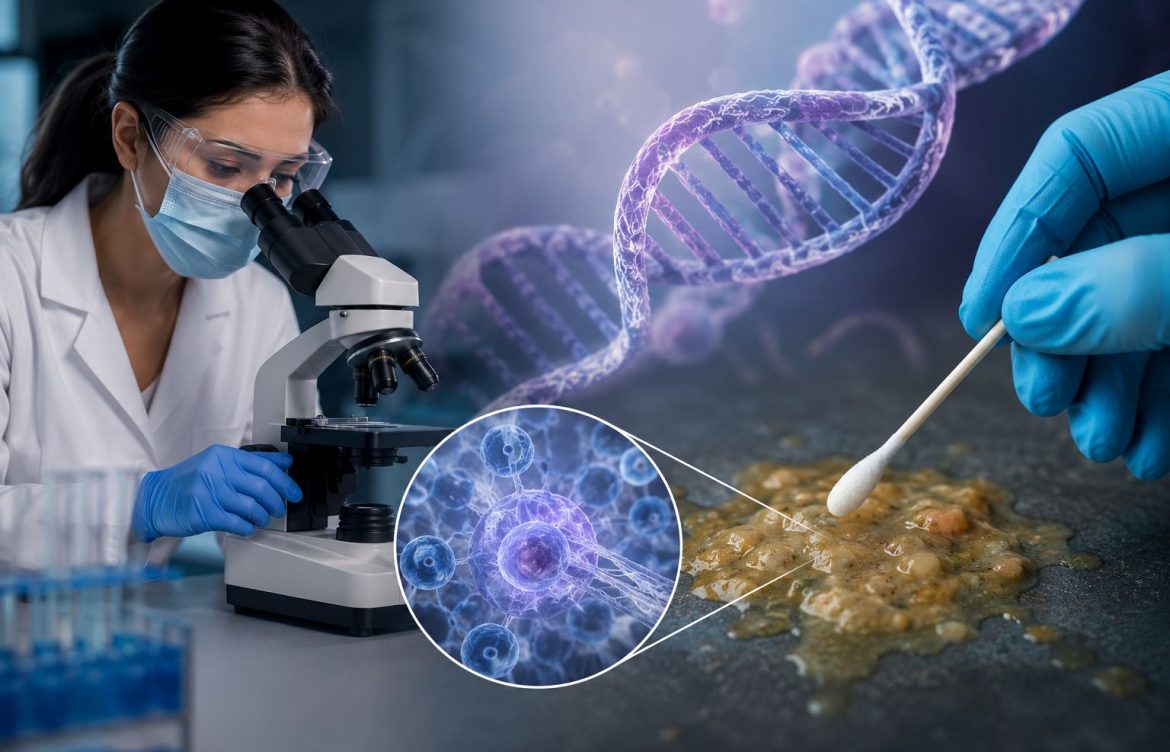
Does Vomit Have DNA? Here’s the Science Behind It
Horror movies are experts at making gross-out moments key plot points so think Smile 2. Within the first few moments of the movie, pop star Skye Riley vomits after witnessing a death — and we immediately wondered: is vomit really DNA? As it turns out, this would be a horror-movie plot device. It is a forensic fact that can be explained in startlingly simplistic terms.
Yes, Vomit Does Have DNA
The short answer is yes — vomit has DNA in it, and enough of that DNA can be extracted for forensic identification under the right circumstances. Many people are surprised by this, because vomit does not seem like an obvious source of genetic material compared to blood or hair. However, the DNA found in vomit isn’t from just what the actual vomit itself is made of. From the cells it takes with it.
Where the DNA in Vomit Actually Comes From
Vomit travels through the mouth, throat and esophagus before coming out, and in doing so collects epithelial cells — the same kind that makes up skin on inner gum line inside your check and throat. With regularly scheduled body functions, these cells will slough off as part of the natural process, but vomiting brings a concentrated payload of them along with stomach contents, saliva and mucus.
It has been known for some time that saliva is also a good source of DNA, since it often contains epithelial cells from the mouth. Due to the way vomit is mixed with saliva as it leaves, vomit essentially comes with a saliva-type DNA sample. Well, it is the same underlying reason why spit and other bodily fluids are good for identification — the liquid was never your focus; need to actually get the cells present in the fluid.
Is DNA in Vomit Reliable for Forensic Use?
Forensic scientists have long argued that, well, vomit can be a good—if not ideal—source of DNA. The usability of a sample will be variable, but there are several factors that influence how usable it is:
CELL CONCENTRATION: Higher concentration of epithelial cells usually mean a more potent and consistent sample.
Contamination: The presence of vomit along with food, stomach acid, or other remainings will make DNA extraction much more difficult but not impossible.
Environmental leakage: Heat, moisture, and time can all nucleate the degradation of DNA, making a newly collected sample immediately placed in refrigerated storage much more viable than old samples left out for days.
Due to these factors, DNA in vomit is not ideally regarded as a “gold standard” sample as are blood or a buccal swab. But now forensic laboratories have at their disposal modern DNA extraction techniques that allow for the recovery of usable profiles even when it comes to some applications—most notably from a scene processed relatively soon after the event.
Why This Matters in Smile 2
It is precisely this dose of real forensic science that makes the vomit scene in Smile 2 one to note. But without going too far into spoilers, Skye is shown barfing at the site of a death early in the film — and that detail does not go unnoticed by anyone with even a passing knowledge of DNA evidence. Using vomit found on scene, investigators would be logically able to connect the person who made the vomit with the liquid they were handling; just as they may use a hair sample or fingerprint.
It’s a bit of down-to-earth realism hidden within what is otherwise an almost too-grand supernatural horror framework, and it was part of the reason “does vomit have DNA” became a trending topic in social media after the film’s release. Putting aside the fiction aspect, that’s a good reminder that many bodily fluids most of us never give a second thought about can contain identifiable genetic material.
Other Bodily Fluids That Contain DNA
Vomit isn’t alone in this. There are quite a few other bodily fluids and materials which one might not typically think of in connection to DNA identification:
Saliva
Sweat (in trace amounts)
Mucus
Urine (via epithelium, but less so than other sources)
Tears
In all cases, the DNA doesn’t originate from the fluid itself — it originates from skin or epithelial cells which gain entry to it in transit.
Key Takeaways
-
While vomit does have DNA in it, it is mainly derived from epithelial cells that are rapidly picked up during vomiting.
That’s not because the DNA is extracted from stomach contents — it’s cells that shed in the mouth and throat.
They are able to extract useable DNA from any vomit, but it can be contaminated by material that is present in the stomach and if it isn’t collected shortly after being vomited.
We also know that a similar process occurs with some other—much ignored-Bodily Fluids such as saliva or sweat.
Frequently Asked Questions
Does vomit have DNA in it?
Yes. As vomit passes through the mouth and throat en route to its exit, it carries lounge-y epithelial cells that hold usable DNA.
How is DNA found in vomit collected forensically?
Because DNA from a corpse is degraded to the microscopic level, investigators usually take a swab of the sample and send it to a lab for extraction — similar to how evidence involving saliva or skin-cells are analyzed. Because the freshness and contimination levels of profiles affect the reliability of these logs.
Can old or dried vomit still contain testable DNA?
Sometimes, but DNA can be damaged and broken down from heat and moisture over time. But a profile returned from fresh samples is much more likely to be useful.
Why did people start asking about DNA in vomit after Smile 2?
One important early scene has the protagonist being sick at a death site, and that made us wonder: was that factually accurate? And it is.