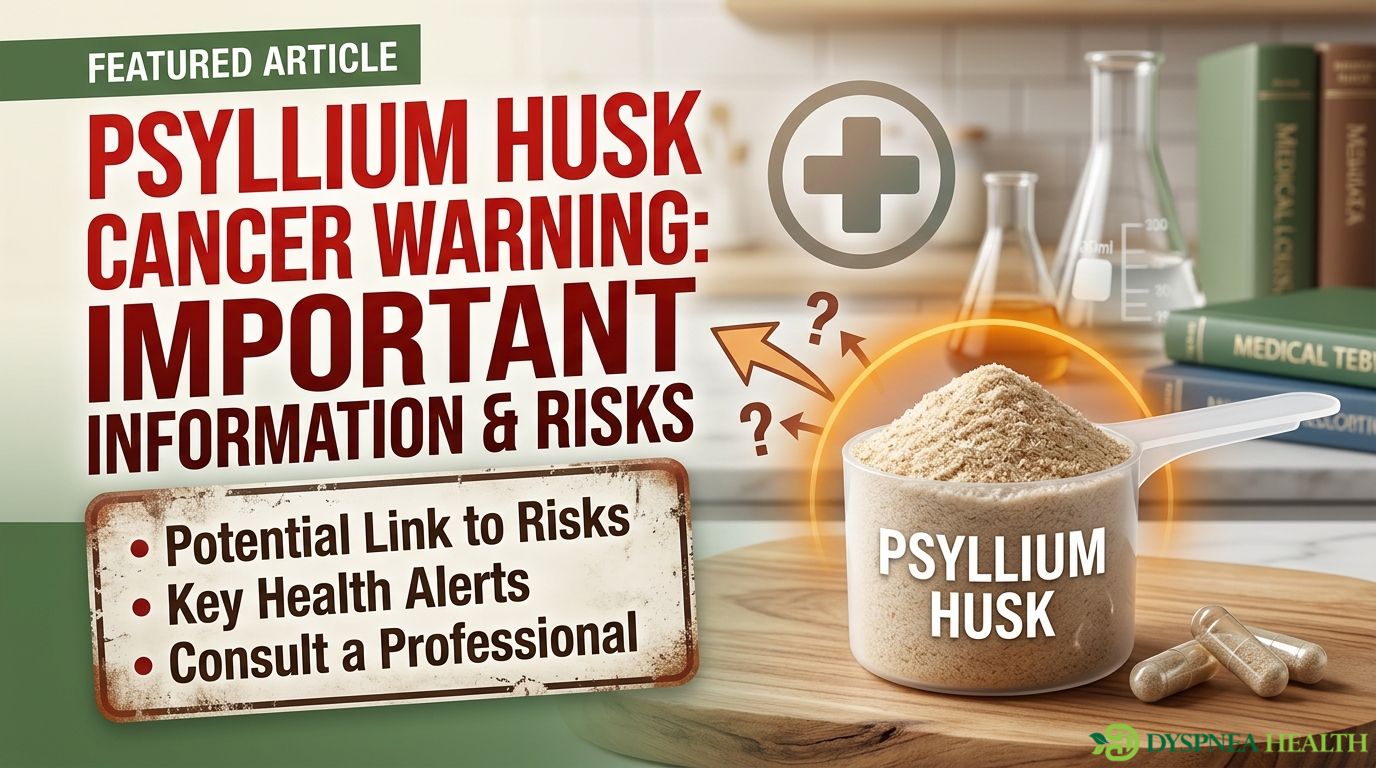
Psyllium husk has earned its place among the most popular fiber supplements worldwide. It is used to aid digestion, prevents constipation, reduces cholesterol and regulates blood sugar as its main applications. You will typically see it in things like Metamucil or other fiber mixes.
Then comes the scary part.
Many users are panic at the sight of that little cancer warning label on a psyllium husk product. Some stop using it overnight. Some attribute the cancer to the supplement itself.
That reaction makes sense. No one asked for breakfast with a side of fright
But here is the key takeaway: this warning does not mean damage that psyllium husk causes cancer. In fact research usually suggests the opposite.
Read on for what really went down behind the psyllium husk cancer warning, what science has to say about it, and whether you need to be concerned before reaching for it daily.
What Is Psyllium Husk?
Psyllium Husk, a neutral soluble fiber derived from the outercasing of Plantago ovata seeds. It is commonly used in fiber supplements and digestive health products by manufacturers.
Psyllium, for example, when combined with water creates a gel-like texture. The gel helps, as it makes stool pass through the intestines more easily. It is often recommended by doctors for constipation and bowel regularity.
Psyllium may also help reduce low-density lipoprotein (LDL) cholesterol, also known as “bad” cholesterol, and aid blood sugar regulation according to the Cleveland Clinic.
To put it simply, psyllium swells in your digestive tract like a sponge. Extremely diligent sponge, by the way.
Why Does Psyllium Husk Have a Cancer Warning?
This is where confusion starts.
Several psyllium husk products come with a California Proposition 65 label. The labeling typically warns that the product can expose users to chemicals known to cause cancer or reproductive harm.
That sounds scary until you realize the way Proposition 65 works.
Some psyllium products might contain small amounts of heavy metals such as lead, and this is why the warning exists. Contaminants can naturally find their way into plants by means of exposure to soil and the environment.
The warning does not imply that manufacturers deliberately included toxins or that psyllium itself is cancer causing, WebMD says.
California enforces some of the strictest safety standards. The warning about the products come, in many cases, despite contamination remaining low and within federal safety standards.
You may have seen the Proposition 65 warning at your coffee shop or in a parking garage, but the law covers plenty more than that — from electronics to furniture to even theme parks. I mean, California could probably slap a warning label on sunlight and charcoal grilled hamburgers at this point.
That doesn’t mean all those things directly cause cancer during normal usage.
Does Psyllium Husk Cause Cancer?
At the moment, no scientific evidence suggests that psyllium husk causes cancer.
Fiber intake is usually associated with effective digestive health and colon cancer risk reduction.
According to the Mayo Clinic, high-fiber diet may reduce your risk of colorectal cancer and promote the health of your colon.
Psyllium husk is another recognized source of fiber by the FDA, because it has been proven to improve health.
It’s possible that psyllium can support healthful gut bacteria as well, and regularity of the bowel both of which are important to digestive health over the long-term, some studies suggest.
But neither indeed if you get your infection with psyllium husk as block prevention. When used as directed, it simply seems safe enough for many healthy adults.
That distinction matters.
The Real Concern: Heavy Metals
The warning is a serious one, because of heavy metals and in particular lead.
Plants absorb minerals from soil. They also happily take up contaminants. This problem is not limited to pysllium husk. Heavy metals can be found in trace amounts in many foods such as rice, spinach, cocoa, protein powders and even some vegetables.
That raises a general question of dosage, the primary issue with exposure too.
The available evidence leads most to believe that an occasional or moderate amount of psyllium does not place a healthy adult in excessive risk to heavy metals. Nevertheless, the product quality is very important.
While some supplements are contaminated, lower quality ones likely have much higher levels than better known brands.
Which is why healthcare professionals recommend that you pick products by independent organizations – tested, like:
USP
NSF International
ConsumerLab
Cleveland Clinic, for example, mentions consumers should search out thirdparty examined supplements for enhanced security.
In other words, purchasing mystery supplements from shady internet vendors might not be the best life decision. Your gut biome is worth more than “Super Fiber Ultra Max 9000” from a site that looks like it was built in 2007.
Can Psyllium Husk Help Colon Health?
Possibly, yes.
Fiber is essential to digestive health. This is useful for promoting regularity and feeding-nourishing beneficial gut bacteria.
References: Research FIBRE and COLORECTAL CANCER RISKbold[1] g
The fibre in fruits, vegetables and whole grains supports bowel health and can reduce the risk of certain colon conditions, according to www.mayoclinic.org.
Some studies have even shown that fiber does not have a very large protective effect on its own. Other contributors to cancer risk are diet, exercise, smoking and alcohol use, obesity other genetic predisposition.
So, no psyllium husk is not magic powder, right? Your colon will not instantly become a Super Organ or something.
However, when used in conjunction with a balanced diet and lifestyle it can help promote a healthier digestive regime.
Is Psyllium Husk Safe to Use Daily?
In most healthy adults, psyllium husk appears to be safe when taken properly.
According to the Mayo Clinic, long-term use of fiber supplements is usually safe for most individuals.
Although you do take direction well.
Psyllium absorbs water quickly. When liquid is scarce it can swell inside the throat or digestive system.
The DailyMed warning says upon taking psyllium without adequate water, blockage or choking may occur.
Top tip- Make sure you mix psyllium with plenty of water.
That last instruction is more consequential than most people realize. When dry, psyllium acts like a miniature army of little sponges gearing themselves up for war inside your throat.
Possible Side Effects of Psyllium Husk
The vast majority of side effects are milder and related to digestion.
Common issues include:
Gas
Bloating
Stomach cramps
Diarrhea
Constipation if not taken with enough water
Allergic reactions may also occur in some patients, particularly those who are chronically exposed to psyllium dust.
Users are advised by WebMD to discontinue psyllium and contact a doctor if they suffer from chest pain, difficulty swallowing or breathing.
Heart failure: People with bowel obstruction, swallowing problems or serious digestive conditions should talk to a doctor before taking psyllium.
How to Choose a Safe Psyllium Husk Supplement
Not all the supplements are created equal in terms of quality.
To reduce contamination risk, look for products that:
Use third-party testing
Publish lab reports
Follow GMP manufacturing standards
Stay out of bed with the fillers and fake shit
Reliable brands are usually open about sourcing and safety testing.
Reading labels also helps. If a product obscures the basics, or gets lauded for improbable health claims, then avoid it.
Fiber supplement should not feel like ads for late-night show looking to sell you back 20 years and a six-pack.
Final Verdict: Should You Worry About the Psyllium Husk Cancer Warning?
The answer to this question for the majority of people is no.
This cancer warning associated with psyllium husk is primarily due to California’s Proposition 65 labeling law and worries about trace heavy metals. At present, a lack of evidence supports that psyllium husk is itself a carcinogen.
The research really backs up psyllium for gut health, cholesterol control, and regular bowel elimination.
Still, quality matters.
Stick with well-researched brands, always adhere to dosages, stay properly hydrated and consult with a medical professional if you have pre-existing conditions.
It is not a magical solution, therefore psyllium husk. Also, it is not nearly the evil that some warning labels would have you believe.
The internet is all too often a crime documentary with fiber supplements. However, science tells a more placid tale.