There are several types of joints in the human body. One of these joints is a pivot joint, an essential component of rotation. Reading on to learn exactly how a pivot joint works, so you can better appreciate human anatomy and movement mechanics.
Pivot joint | Definition, Examples, Function, & Facts
Definition of Pivot Joint
This enables it to be classified as a pivot joint, which is characterized by rotary motion on one axis. In this joint, one bone revolves around another allowing movements like turning your head side to side.
This type of joint is special because it allows for only one kind of movement—rotation—or a twisting type movement, making this distinct from the other types of joints.
Examples of Pivot Joint
In the human body, there are some notable examples of pivot joints:
Atlantoaxial Joint: This joint between the first and second cervical vertebrae (the C1 and C2) allows you to turn your head left and right.
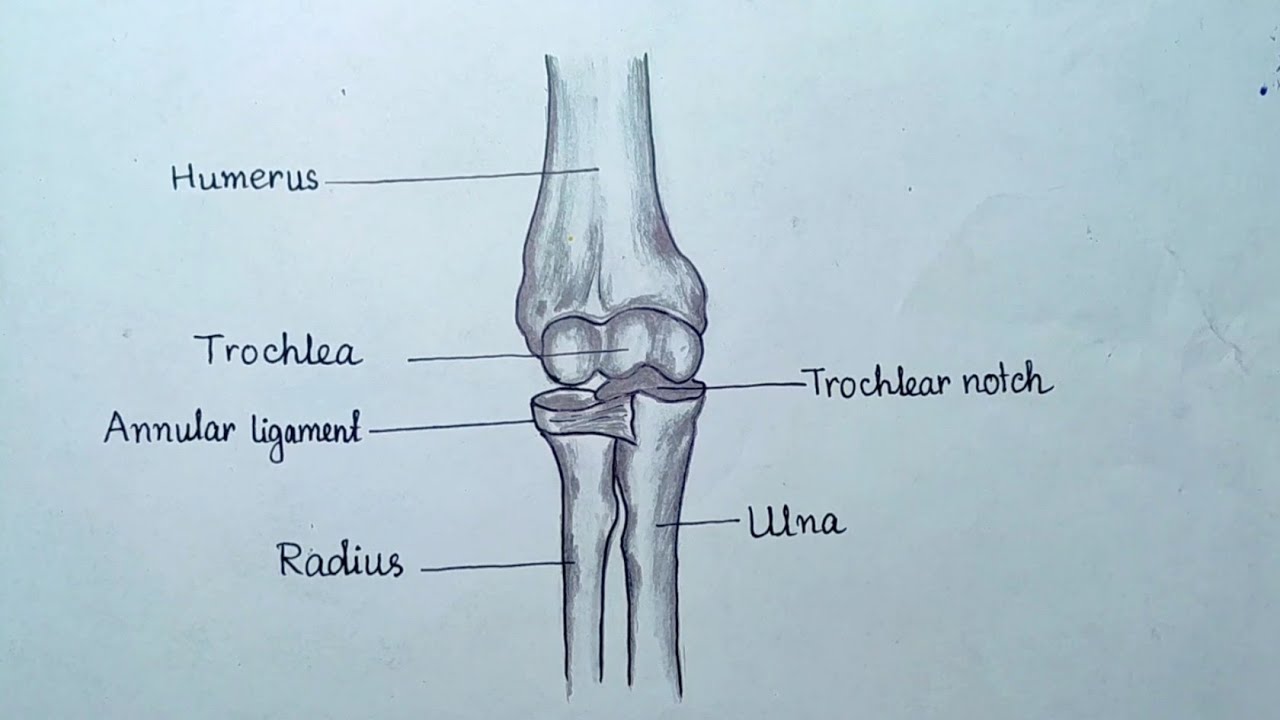
Proximal Radioulnar Joint: This joint is located in the forearm and allows for rotation of the radius around the ulna, such as when you turn your palm up or down.
These instances illustrate the importance of each pivot joint in facilitating crucial activities throughout the day.
Function of Pivot Joint
Pivot joints are primarily the joints that allow rotation. This includes:
Rotating the head from one side to another
Forearm rotation (pronation and supination)
Supporting precise and controlled motion
Positioned to allow rotational movement alone — as opposed to hinge joints, which handle bending and straightening — pivot joints play key roles in coordination and mobility.
Key Facts About Pivot Joint
Important things to know:
Pivot joints are actually synovial joints, which means they have fluid that allows for smooth movement.
They are limited to translation along one axis only
Ligaments stabilise these joints to prevent dislocation.
They are crucial for everyday movements like shaking your head or using your hands.
Why Pivot Joints Are Important
Without pivot joints, many of the basic movements we could just assume would not exist. From looking back over your shoulder when you’re driving to turning your wrist while writing, these joints get a workout during innumerable daily tasks.
These enable both stability and mobility, something the body has to have for its proper function.
Conclusion
This is an important and specialized component of the human skeleton. It facilitates many day-to-day functions that we typically take for granted by permitting rotational movement. By learning about the structure, examples and function of a pivot joint it builds upon the knowledge of human anatomy and the way in which our bodies move effectively.