


How Accurate Is NIPT for Gender?
It was spent in a flurry of excitement for parents-to-be eager to know whether their baby is boy, girl, or going to be a surprise. NIPT is one of the most reliable options for early screening available today. However, how accurate is NIPT for sex? Here’s a look at all you need to know — how it works and what those results mean.
What Is NIPT Test

NIPT (Non-Invasive Prenatal Testing) is a non-invasive prenatal blood test. It analyzes tiny bits of fetal DNA (called cell-free DNA) in the mother’s bloodstream.
The test is usually performed after 10 weeks of pregnancy and is primarily used to screen for chromosomal conditions, including:
- Down syndrome (Trisomy 21)
- Trisomy 18
- Trisomy 13
But it can also read the baby’s sex, by detecting the presence (or absence) of the Y chromosome.
How Long Does It Take to Get NIPT Results
Most prospective parents get their results in:
- 5 to 10 business days
Some labs may return results faster but in some cases it can take two weeks or longer, depending on location and provider.
Your health care provider will typically call you with the results or post them in your patient portal.
NIPT Test Gender Accuracy
So, how accurate is NIPT for gender? The answer is encouraging.
Accuracy rate: 99% or higher
Can identify gender from as early as 10 weeks
More accurate than early ultrasound
NIPT works by detecting whether Y chromosome DNA is present:
- Y chromosome detected → Male
- No Y chromosome → Female
Why Is It So Accurate?
Because NIPT analyzes actual genetic material rather than visual imaging (like ultrasound), it provides extremely high reliability.
Rare Causes of Incorrect Gender Results
Although rare, errors can happen due to:
-
Low fetal fraction (not enough fetal DNA in blood)
-
Vanishing twin
-
Placental DNA differences
-
Lab error (very uncommon)
Overall, if you’re wondering again how accurate is NIPT for gender, it is considered one of the most accurate early gender tests available today.
How to Read NIPT Results for Gender

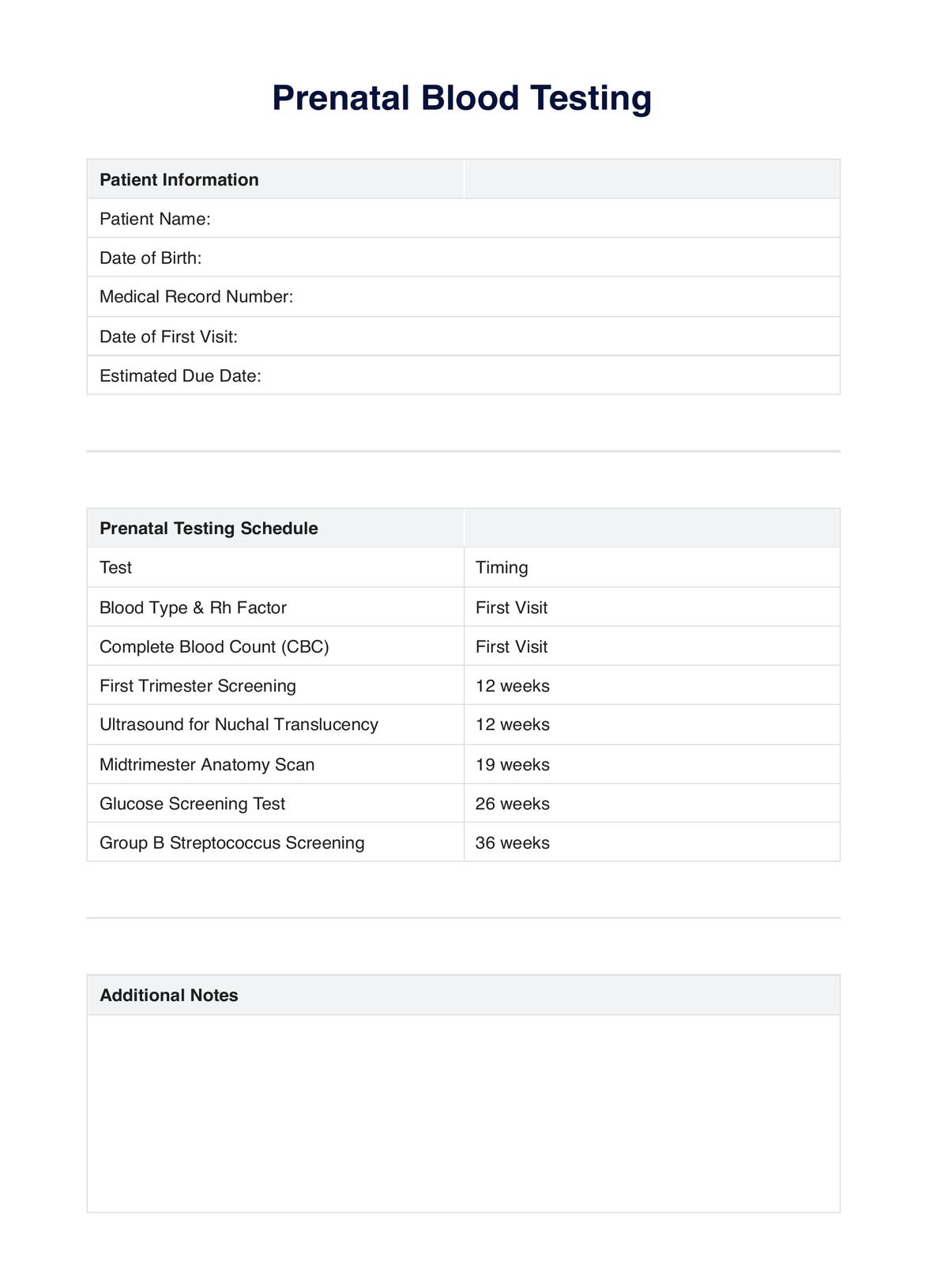
Reading NIPT results may seem confusing at first, but gender reporting is usually straightforward.
Your report may say:
-
“Y chromosome detected” → Male
-
“No Y chromosome detected” → Female
-
“Consistent with male/female fetus”
Some reports also show the fetal fraction percentage, which indicates how much fetal DNA was present in the sample.
Always review your results with your healthcare provider for full interpretation.
NIPT Test Results Normal Range
NIPT does not provide a traditional “normal range” like other blood tests. Instead, results are categorized as:
-
Low risk / Negative
-
High risk / Positive
-
No result / Insufficient fetal DNA
For gender determination, there is no risk category — it simply reports presence or absence of Y chromosome material.
NIPT Test Results Example
Here is a simplified example of what a report may look like:
| Condition Tested | Result | Risk Level |
|---|---|---|
| Trisomy 21 | Not Detected | Low Risk |
| Trisomy 18 | Not Detected | Low Risk |
| Trisomy 13 | Not Detected | Low Risk |
| Sex Chromosomes | Y Chromosome Detected | Male Fetus |
This type of clear formatting makes it easy to understand your baby’s screening results.
Is NIPT Covered by Insurance
Coverage depends on:
- Your country
- Insurance provider
- Maternal age
Pregnancy risk factors
In many cases:
- Women over age 35 are more likely to be covered.
- High-risk pregnancies are often covered.
- Some insurance plans cover NIPT for all pregnancies now.
The best way to determine benefits and potential out-of-pocket costs is to contact your insurance company directly.
Final Thoughts: How Accurate Is NIPT for Gender?
So how accurate is NIPT for Gender?
NIPT is one of the most reliable means of detecting a baby’s sex early, with accuracy rates at about 99 percent. No medical test is 100 percent, but NIPT can deliver extremely reliable results at the same time as 10 weeks into a pregnancy.