Healthcare professionals spend their lives caring for other people — but in the process, they’re at risk on the job every single day. Bloodborne pathogens are one of the most serious workplace hazards. what is the most common risk of exposure to bloodborne pathogens for healthcare workers? Let us dive into the answer in detail & understand how we can mitigate such risks.
Understanding Bloodborne Pathogens
Bloodborne pathogens are disease-causing microorganisms in human blood. The most common examples include:
- Hepatitis B (HBV)
- Hepatitis C (HCV)
- Human Immunodeficiency Virus (HIV)
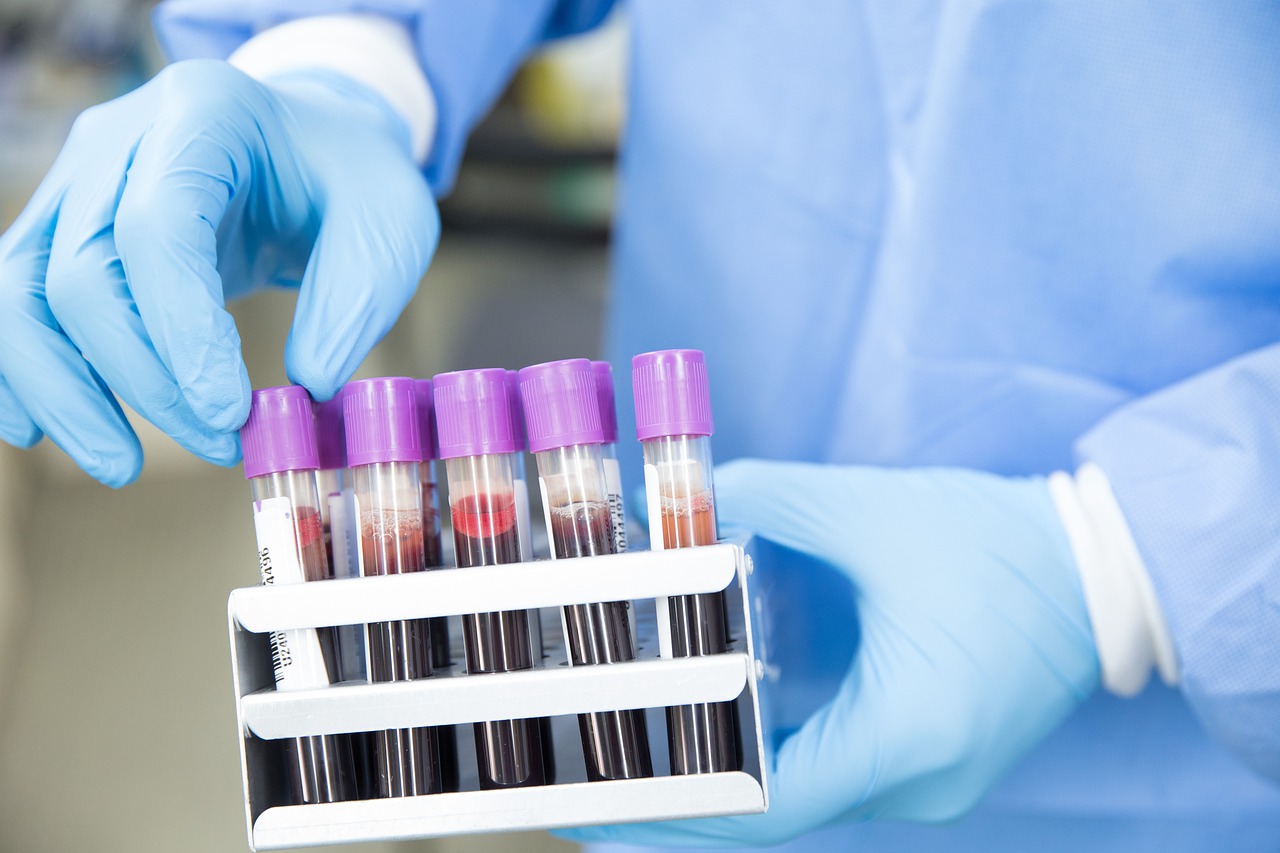
As an example, health care workers might be exposed to blood and other potentially contaminated materials (OPIM) during routine procedures like drawing blood, inserting IV lines, operating in the surgical field or cleaning-up body-contaminated material.
What Is the Most Common Risk of Exposure to Bloodborne Pathogens for Healthcare Workers?
The most common risk is NCS type injuries.
Occupational exposures in health care settings are mostly due to accidental punctures with contaminated needles or sharp instruments.
For healthcare workers, exposure to bloodborne pathogens may pose an increased risk., research consistently points to:
- Accidental needlesticks
- Cuts from scalpel or other sharp instruments
- Improper disposal of sharps
- Recapping used needles
Of these, needlestick injuries are the most common since they allow contaminated blood to enter your bloodstream directly.
Why Needlestick Injuries Are So Dangerous
They are particularly concerning because needlestick injuries:
- They offer viruses a direct entry point into the body.
- They can be sudden and unexpected.
- They can occur even when safety measures are taken.
Worldwide, thousands of healthcare workers sustain needlestick injuries annually, according to occupational safety data.
That’s why it is important to know what the most common risk of exposure to blood borne pathogens for healthcare workers? is essential to prevention and safety training.
Other Common Exposure Risks
Needlestick injuries are the most significant risk — however, other modes of exposure include:
Splash Exposure
Blood or other body fluids splattering in:
- Eyes
- Nose
- Mouth
- Broken skin
Improper PPE Usage
Not wearing or using them correctly:
- Gloves
- Face shields
- Gowns
- Masks
Handling Contaminated Equipment
Inadequate sterilization or sloppy handling of surgical tools raises risk of exposure.
High-Risk Healthcare Settings
Some environments present greater exposure risk:
- Emergency departments
- Operating rooms
- Intensive care units
- Dialysis centers
- Laboratories
The combination of fast-paced, high-pressure work increases the risk of accidental injury.
How Healthcare Workers Can Minimize Their Risk
Preventing exposure means following safety protocols to the letter:
Use Safety-Engineered Devices
Self-sheathing needles
Needleless IV systems
Follow Proper Sharps Disposal
Dispose of needles immediately
Never recap used needles
Wear Personal Protective Equipment (PPE)
Gloves
Eye protection
Face shields
Receive Vaccinations
Risk of infection with the Hepatitis B vaccine is greatly decreesed.
Participate in Training Programs
Periodic infection control training helps drive safe practices.
What to Do After Exposure
If exposure occurs:
- Wash the affected area immediately.
- Notify a supervisor of the situation.
- Seek medical evaluation.
- If indicated, follow postexposure prophylaxis (PEP) recommendations.
- Complete required documentation.
Fast action greatly reduces the risk of contracting a disease.
Final Thoughts
What is the greatest risk of bloodborne pathogen exposure to healthcare workers? The straightforward answer is when patients are stuck with needles.
The most frequent risk of exposure to bloodborne pathogens for healthcare workers. aid in improving prevention methods, increasing workplace safety, and protecting the health of medical workers.
With adequate training, the use of protective equipment and practicing good needle habits, healthcare facilities can guard against occupational exposure and create a safer working environment.