Stool might not be the most glamorous topic, but it plays a surprisingly important role in modern medicine. One of the most fascinating developments in recent years is stool DNA testing—a noninvasive way to detect potential health issues, especially colorectal cancer. While it may sound unusual at first, analyzing DNA found in stool can reveal a great deal about what’s happening inside your body.
In this article, we’ll explore how stool contains DNA, what abnormal findings mean, and why doctors rely on stool DNA testing as a powerful diagnostic tool.
Is there any DNA in stool?
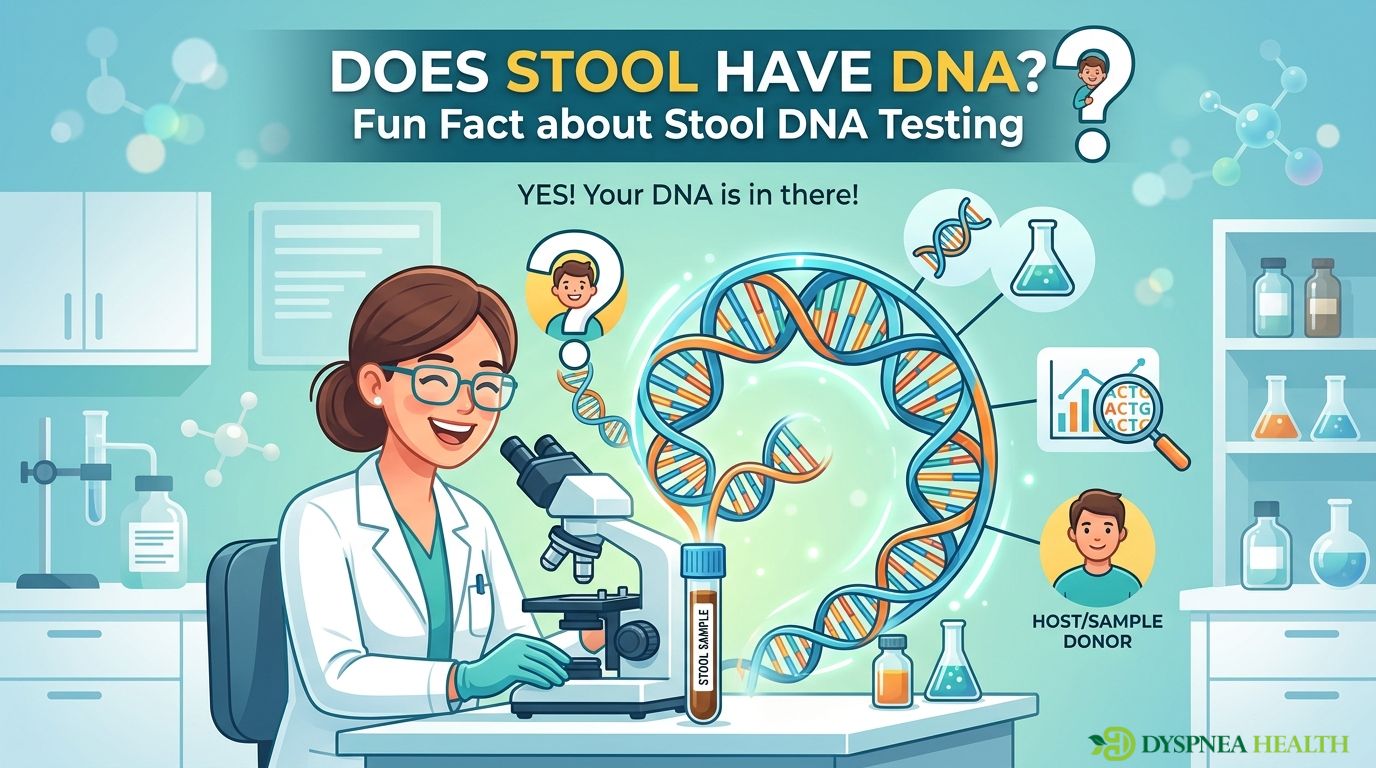
Yes, stool does contain DNA. In fact, it contains a mix of DNA from several sources. When food passes through your digestive tract, your body sheds cells from the lining of your intestines. These cells naturally break down and are expelled in your stool. Since every cell in your body contains DNA, these shed cells carry genetic material with them.
Your stool also has DNA from the bacteria that live in your gut. There are trillions of living things in your digestive system and they are all part of something called the gut microbiome. The DNA from these living things can be found in your stool and it can be used to learn more about your health.
So even though stool might seem like waste it is actually a rich source of information about your body, including DNA that can be studied to learn more about your health.
What does abnormal DNA in stool mean?
Abnormal DNA in stool typically refers to genetic changes found in the DNA of cells shed from the colon or rectum. These changes can include mutations, altered gene expression, or other irregularities that may signal disease.
One of the reasons doctors use stool DNA testing is to find out if you have colorectal cancer or precancerous polyps. Cancer cells often have DNA that’s different from normal cells and when these abnormal cells are shed into your stool their DNA can be detected.
However if the DNA in your stool is not normal it does not always mean you have cancer. It could also mean you have things like polyps, inflammation in your colon or other gastrointestinal problems.
Because of this if you get a result from a stool DNA test that’s not normal you will usually need to have more tests, like a colonoscopy to find out what is really going on.
Stool DNA testing: Why do doctors check poop for DNA?
Doctors use stool DNA testing primarily as a screening tool for colorectal cancer. This type of cancer often develops slowly, beginning as small polyps that may not cause symptoms early on. Detecting these changes early can significantly improve treatment outcomes.
Stool DNA testing offers a noninvasive alternative to traditional screening methods. Instead of undergoing a procedure like a colonoscopy, patients can collect a stool sample at home and send it to a lab for analysis.
The test looks for:
- DNA mutations linked to cancer
- Blood in the stool (which may not be visible)
- Other molecular markers associated with disease
This combination makes stool DNA testing a comprehensive screening tool that can identify both genetic and physical signs of potential problems.
Is a stool DNA test accurate?
Stool DNA tests are considered highly effective, especially for detecting colorectal cancer. They are generally more sensitive than traditional stool-based tests that only check for hidden blood.
That said, no test is perfect. Stool DNA testing has both strengths and limitations:
Strengths:
- High sensitivity for detecting cancer
- Noninvasive and easy to perform at home
- No preparation (like fasting or bowel cleansing) required
Limitations:
- May produce false positives (indicating a problem when none exists)
- Less effective at detecting smaller or early-stage polyps
- Requires follow-up testing if results are abnormal
Overall, stool DNA testing is a reliable screening option, particularly for individuals at average risk who prefer a noninvasive method.
Stool DNA Reveals Personal Information
One lesser-known aspect of stool DNA testing is its potential to reveal personal genetic information. Since the test analyzes human DNA, it can theoretically provide insights beyond just disease detection.
For example, DNA analysis could reveal:
- Genetic predispositions to certain conditions
- Ancestral or hereditary traits
- Information about gut microbiome composition
However, in clinical settings, stool DNA tests are specifically designed to focus only on markers relevant to disease detection, particularly colorectal cancer. Laboratories follow strict privacy and ethical guidelines to ensure that personal genetic data is protected and not misused.
Still, as DNA-based technologies continue to evolve, the ability to extract broader insights from stool samples may expand in the future.
Does poop contain DNA?
Yes poop definitely contains DNA, both from you and from the living things in your gut. This is a natural part of how your body works.
When you eat your digestive system is getting rid of old cells and replacing them with new ones. These old cells come out in your stool. They have DNA in them.
The tiny living things in your gut also contribute their DNA to your stool. Scientists like to study this DNA to learn more about how your body works and how to keep you healthy.
So it is clear that poop is not just waste. It is actually an useful source of information about your body.
Stool DNA test: pros, cons, and process
Stool DNA testing has gained popularity because of its convenience and effectiveness. Let’s take a closer look at its advantages, drawbacks, and how the process works.
Pros
- Noninvasive and painless
- Can be done at home
- No dietary restrictions or preparation required
- Detects both DNA mutations and hidden blood
Cons
- May require follow-up colonoscopy if results are positive
- Not suitable for high-risk individuals (who may need direct screening)
- Needs to be repeated periodically for ongoing screening
Process
- A test kit is provided by a healthcare provider.
- The patient collects a stool sample at home using the kit.
- The sample is sealed and sent to a laboratory.
- The lab analyzes the DNA and other markers.
- Results are sent to the doctor, who discusses next steps if needed.
The simplicity of this process is one of the main reasons stool DNA testing is becoming more widely used.
Stool DNA testing: Why do doctors check poop for DNA?
Doctors rely on stool DNA testing because it provides a unique window into colon health without requiring invasive procedures. By analyzing genetic material in stool, they can detect early signs of disease that might otherwise go unnoticed.
This method is especially useful for:
- Routine cancer screening
- Patients who avoid colonoscopy
- Early detection of abnormal cell growth
In many cases, stool DNA testing serves as a first step. If abnormalities are found, more detailed examinations can follow. This layered approach helps balance convenience with diagnostic accuracy.
Final Thoughts
Stool DNA testing might sound unusual, but it’s one of the most innovative tools in preventive healthcare today. By analyzing the DNA found in stool, doctors can detect serious conditions like colorectal cancer at an early stage—often before symptoms appear.
From understanding whether stool contains DNA to exploring how abnormal results are interpreted, it’s clear that this simple test carries significant medical value. As technology advances, stool DNA testing may become even more powerful, offering deeper insights into our health in a completely noninvasive way.