If you’ve ever wondered, “Does a condom have DNA?” you’re not alone. This question often comes up in conversations about sexual health, pregnancy, and forensic science. The short answer is no—condoms themselves do not contain DNA. However, they can carry DNA under certain circumstances.
In this detailed guide, we’ll break down:
-
Whether condoms contain genetic material
-
How DNA can end up on a condom
-
The role of condoms in forensic investigations
-
How to properly dispose of condoms for privacy and safety
Let’s explore the facts.
What Is DNA?
DNA (Deoxyribonucleic Acid) is the genetic material found inside the cells of almost every living organism, including humans. It carries the instructions that determine physical traits and biological functions.
In humans, DNA is present in:
-
Semen
-
Vaginal fluids
-
Blood
-
Saliva
-
Skin cells
If biological fluids come into contact with an object, that object may carry DNA traces.
Do Condoms Contain DNA?
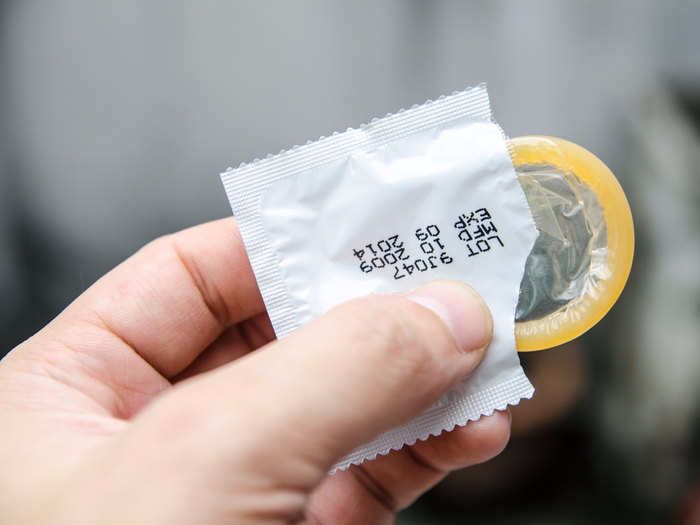
A new, unused condom does not contain human DNA.
Most condoms are made from:
-
Latex (natural rubber)
-
Polyurethane
-
Polyisoprene
-
Lambskin (natural membrane)
These materials themselves do not contain human DNA.
For example:
-
Durex manufactures latex and non-latex condoms under strict hygienic conditions.
-
Trojan also produces condoms that are sterilized and packaged to prevent contamination.
Manufacturers follow safety and quality control guidelines to ensure condoms are clean and safe for use.
Can a Used Condom Have DNA?
Yes. A used condom can contain DNA.
Here’s how:
1. Semen
Semen contains sperm cells, which carry male DNA. After ejaculation, sperm and other cellular material remain inside the condom.
2. Vaginal Fluids
If a condom comes into contact with vaginal fluids, it may carry female epithelial cells containing DNA.
3. Skin Cells
Even touching a condom during application or removal can transfer skin cells.
4. Saliva
If used during oral sex, saliva may leave DNA traces.
In short: The condom material itself doesn’t have DNA, but biological fluids on it do.
Are Condoms Used in Forensic Investigations?
Yes. Used condoms are frequently analyzed in forensic science.
Organizations like the Federal Bureau of Investigation use DNA testing in criminal investigations. A discarded condom can provide valuable evidence because:
-
Semen can identify a suspect.
-
DNA can confirm or rule out paternity.
-
Touch DNA may identify who handled the condom.
This is why proper disposal is important for privacy.
Do Lambskin Condoms Have DNA?
Lambskin condoms are made from natural membrane (usually sheep intestine). Because they are animal-derived, they may contain trace amounts of animal DNA, but not human DNA.
However, lambskin condoms do not protect against sexually transmitted infections (STIs) because they have microscopic pores.
How Long Does DNA Last on a Condom?
DNA stability depends on:
-
Temperature
-
Humidity
-
Exposure to sunlight
-
Bacterial contamination
Under controlled conditions, DNA can last for years. In outdoor environments, it may degrade more quickly.
This is why forensic labs can sometimes recover DNA even from discarded items.
How to Dispose of a Condom Safely
To protect privacy and hygiene:
-
Tie the open end securely.
-
Wrap it in tissue or toilet paper.
-
Dispose of it in a trash bin.
-
Do not flush it down the toilet (it can clog plumbing).
Proper disposal reduces the risk of accidental exposure to bodily fluids and DNA transfer.
Common Myths About Condoms and DNA
Myth 1: Condoms are pre-loaded with DNA
False. Commercial condoms are sterile and do not contain human genetic material.
Myth 2: DNA disappears immediately
False. DNA can remain detectable for a long time under certain conditions.
Myth 3: Washing removes all DNA
Not necessarily. While washing may reduce traces, forensic labs can sometimes still recover DNA.
Why This Question Matters
People usually ask “Does a condom have DNA?” for reasons related to:
-
Pregnancy concerns
-
Paternity testing
-
Legal issues
-
Privacy protection
-
Sexual health education
Understanding the science helps clear up misinformation and promotes responsible behavior.
Final Answer: Does a Condom Have DNA?
-
Unused condom? ❌ No human DNA.
-
Used condom? ✅ Yes, it can contain DNA from bodily fluids.
-
Condom material itself? ❌ No human DNA.
Condoms are safe, hygienic medical products designed to prevent pregnancy and reduce the risk of sexually transmitted infections. The DNA comes from biological fluids—not the condom itself.
📌 Reference Links for “Does a Condom Have DNA?”
-
PubMed: DNA analysis from condoms in forensic cases — A scientific case report showing that DNA from semen and individuals can be extracted from used condoms in forensic investigations. Deduction of the order of sexual assaults by DNA analysis of two condoms – PubMed
-
PubMed: Condoms as critical evidence in forensic science — Another study showing DNA from blood and semen can be isolated from condoms used in criminal cases. A condom — the critical link in a rape – PubMed
-
Forensic evidence guidelines — Official forensic biology procedures recommend DNA sampling from used condoms when bodily fluids are present. FORENSIC BIOLOGY Technical Manual (Condom Evidence & DNA)
-
Legal perspective on DNA presence in condoms — An article explaining how condoms don’t always prevent DNA recovery; skin cells or epithelial cells can still be collected. DNA in Sexual Offence Cases — Eventum Legal
-
Real crime example where DNA was recovered from used condoms — News report from a criminal case where DNA was matched to suspects using condoms found at a crime scene. DNA of killers found in used condoms at crime scene (IOL)