

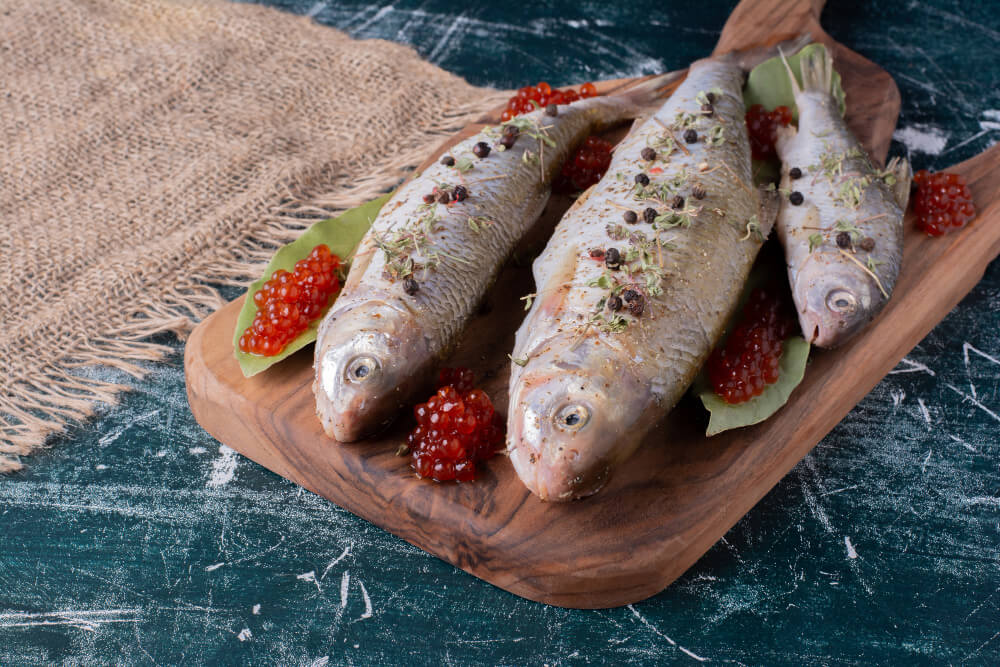
Swai Fish: Benefits, Risks, and How to Cook It
Swai fish is very well known for being inexpensive, tastes mild and easy to prepare and therefore become popular in many families. You might have encountered it at the grocery store or on a restaurant menu, often as an inexpensive substitute for other white fish. But for many, questions remain about its quality and health benefits as well as its safety.
In this guide, we’ll cover all you need to know about swai fish, including its nutrition, potential issues and the best ways to prepare it.
What Is Swai Fish?
What is swai fish? Swai is a freshwater fish sourced primarily from Southeast Asia, and most notably Vietnam. It is related to the catfish and commonly farm-raised in rivers.
Now if you are asking, what kind of fish is swai? Its neutral flavor takes on spices and marinades, making it a versatile ingredient for countless recipes.
Swai is typically sold as swai fillets, which are boneless and ready for cooking. That makes it comfortable for persons looking for quick and easy breakfast.
Is Swai Fish Healthy?
One of the frequently asked questions is: is swai fish healthy? The answer to that relies on how it’s sourced and what made out of it.
Swai fish does offer a few basic nutrients like protein, which is essential for building and repairing body tissues. It is also low in calories, so it can be a good choice for people who are looking to manage their weight.
Swai is lower in omega-3 fatty acids than other fish like salmon or sardines. These healthy fats are essential for heart and brain health. So swai can be included in a balanced diet, but should not be your sole source of fish.
If you bake or grill it rather than fry, it can be healthier.
Why Is Swai Fish Bad for You?
So, why swai fish is considered bad by so many people? Here are some concerns you should be aware of.
How the fish is farmed can be a significant concern. In some cases, swai are raised in crowded conditions that can impact water quality. This can also lead to contamination if the rules are not followed.
Another problem is that some fish farms use antibiotics or chemicals. Though many suppliers adhere to safety standards, the quality can differ widely by region from which the fish is sourced.
Swai also has less nutritional value than other fish. It also lacks many key nutrients; omega-3 fatty acids, in particular.
However, to minimize risks, it is safer if you get swai sold by reputable sellers who are safeguarded food safety standards.
What Kind of Fish Is Swai?
If you are still asking what the heck swai is, it is classified like other white fish such as tilapia or cod. Its texture is soft, flaky and it cooks fast.
For the most part, swai isn’t considered a wild fish. It is usually cultivated and can be exported as fillets to other nations.
Its mild flavor makes it useful in many dishes, especially for those who do not favor strong fishy tastes.
How to Cook Swai Fish
Learning how to cook swai fish can be a great help if you’re seeking simple meal ideas. One of the great things about swai, in fact, is that it is relatively easy to prepare for those who lack cooking experience.
1. Baking
Place your swai fillet on a tray, season with salt, pepper, garlic, and lemon juice. Bake at 180°C (350°F) for about 15–20 minutes.
2. Pan-Frying
Heat a little oil in a pan and cook the fish for 3–4 minutes on each side. This gives it a crispy outer layer.
3. Grilling
Brush the fish with oil and spices, then grill for a smoky flavor. This is a healthier option compared to frying.
4. Air Frying
Air frying is a modern and healthy method. It uses less oil while still giving a crispy texture.
No matter which method you choose, avoid overcooking, as swai can become too soft and fall apart.
Tips for Cooking Swai Fillet
When preparing a swai fillet, keep these tips in mind:
- Thaw frozen fillets properly before cooking
- Pat the fish dry to remove excess moisture
- Use simple seasonings to enhance its natural taste
- Cook at the right temperature to avoid dryness
You can also pair swai with vegetables, rice, or salads for a complete meal.
Swai Fish vs Other Fish
Swai is compared to various other fish choices. Here is a simple comparison:
Swai fish: Inexpensive, mild flavor, less nutrients
Salmon: Characteristically high in omega-3 and higher-traveling
Tilapia: Similar flavor, marginally better nutrition
Cod: Firmer texture, higher quality
Swai is a good option if you’re in the market for inexpensive meals. But if you’re after higher nutrition, you might also want to consider other fish in your diet.
Should You Eat Swai Fish?
Whether or not you should eat swai fish ultimately comes down to your individual preference and what matters most to your health. It can be a cheap and convenient option, particularly if you like fish with mild flavor.
But it needs to be balanced with other nutrient-rich foods. Having a diverse range of fish will help your body gain all the important nutrients it needs to function.
If you avoid low-quality sources and prepare it using a healthy method, it can make a huge difference.
Final Thoughts
Swai fish is one of the most widely available and easiest to cook types of fish that are suitable for multiple diets. It is mild in flavor, easy on the wallet and versatile in the kitchen. It may not be the healthiest choice of fish, but it can still fit into a balanced eating plan if eaten in moderation.