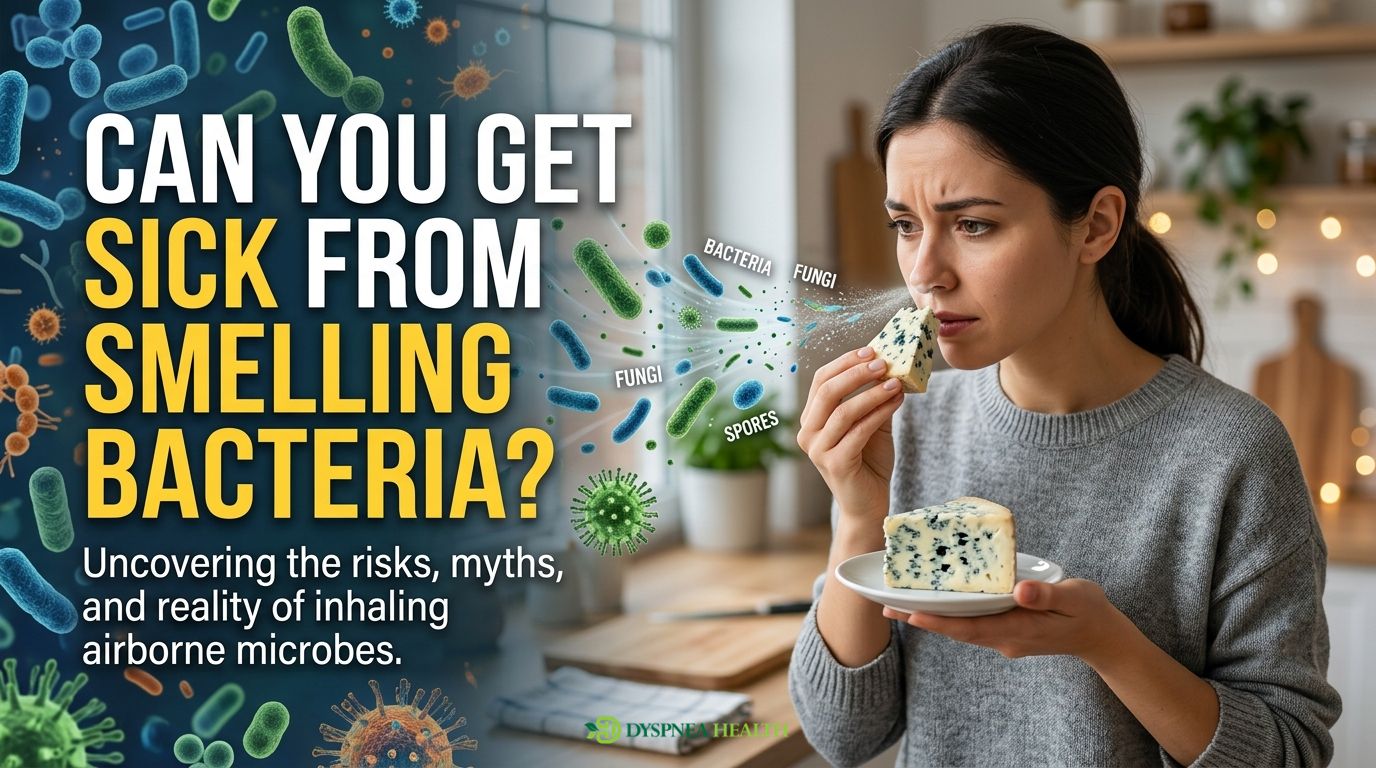
Bacteria are everywhere — on surfaces, in the air, in even our foods. But a common question many people have is: can you get sick merely by smelling bacteria? Knowing the facts on this issue is important for your health —especially in a world where hygiene knows no bounds, and infection control is the name of the game now.
Understanding Bacteria and How They Spread
What Are Bacteria?
Bacteria are tiny organisms that can be found almost anywhere on Earth. While many bacteria are benign — or even helpful, like the ones in your gut — some are pathogenic, meaning they can make you sick. These pathogenic bacteria cause infections that can range from the common cold to more severe conditions such as pneumonia or strep throat.
Airborne Bacteria: How They Travel
Airborne bacteria spread primarily via tiny droplets containing microbes that are released from a person who has coughed, sneezed or even spoken. Bacteria might also attach to dust particles or ride along on mold spores. These microorganisms can drift through the air in houses, places of business and public areas. But just because bacteria are in the air does not mean you will inevitably become ill from them.
Myths vs. Facts: Can Smelling Bacteria Make You Sick?
Common Misconceptions
They say strictly-smelling bacteria will make you sick. People often link foul odors, such as the smell of rotting food, with disease. Although foul odors can signal the presence of bacteria, breathing in the smell typically does not cause disease. Unlike viruses, bacteria usually need physical contact, ingestion or access to the inside of your body through lacerations in order to infect you.
Scientific Perspective
Scientific evidence suggests that breathing in low doses of bacteria is not likely to make healthy people ill. Respiratory infections typically happen when pathogens invade your airways in large numbers or when your immune system is compromised. However, environments with very high bacterial loads, such as the inside of a hospital or mold-infested buildings, can raise the risk for airborne infectious viruses.
Conditions Where Smelling Bacteria Can Be Risky
Healthcare Settings
Hospitals and clinics can have higher concentrations of harmful bacteria. Patients with weakened immune systems are particularly vulnerable to airborne bacterial infections such as MRSA or tuberculosis.
Mold and Fungal Bacteria
Some molds release spores and mycotoxins into the air. Breathing these in can trigger respiratory symptoms, allergic reactions, or, in rare cases, serious lung infections.
Poorly Ventilated Areas
Indoor spaces with poor ventilation can trap dust, moisture, and bacteria. Regular cleaning and airflow improvements are crucial to prevent bacterial accumulation.
Symptoms of Bacterial Exposure Through Inhalation
Short-Term Effects
Even brief exposure to high bacterial concentrations can cause mild symptoms like coughing, sneezing, nasal irritation, or watery eyes.
Long-Term Effects
Prolonged exposure—especially in immunocompromised individuals—can lead to chronic respiratory issues, sinus infections, or increased susceptibility to other diseases.
Preventing Illness from Airborne Bacteria
Personal Hygiene Measures
- Wash your hands frequently, especially after touching potentially contaminated surfaces.
- Use masks in crowded or high-risk areas.
- Avoid areas with strong odors from decaying matter, mold, or sewage.
Improving Indoor Air Quality
- Ensure proper ventilation in homes and workplaces.
- Use HEPA filters to trap airborne particles.
- Clean surfaces regularly with disinfectants.
Protecting Vulnerable Populations
Children, the elderly, and people with chronic illnesses or weakened immunity should take extra precautions in environments with potential bacterial exposure.
When to Seek Medical Attention
Seek professional care if you notice persistent respiratory symptoms, fever, or signs of infection after exposure to bacterial-laden environments. Early treatment can prevent complications.
Interesting Facts About Bacteria and Smell
Some bacteria produce compounds that create distinctive odors. For example, the musty smell in moldy rooms is often due to bacterial and fungal interactions. Interestingly, your sense of smell can sometimes detect high bacterial concentrations, serving as a natural warning system.
FAQs About Getting Sick from Smelling Bacteria
1. Can just smelling mold make you sick?
Not usually. Most people will only experience mild irritation unless they are highly sensitive or the exposure is prolonged.
2. Can bad odors in food indicate harmful bacteria?
Yes, but smelling spoiled food alone rarely causes illness. Eating it is the real risk.
3. Are hospitals full of airborne bacteria?
Hospitals have higher bacterial loads, but strict infection control measures minimize risks.
4. Can bacteria in dust make me sick?
Generally, dust contains bacteria, but healthy individuals are unlikely to get sick from breathing it in.
5. How do airborne bacteria cause infections?
They typically enter through inhalation in high concentrations, open wounds, or weak immunity.
6. Should I worry about bacteria in poorly ventilated areas?
Yes, especially if you are sensitive, immunocompromised, or notice mold or foul odors. Improving airflow is recommended.
Conclusion: Understanding the Real Risks
Getting sick from the smell of bacteria might sound frightening, but studies indicate that healthy people are usually protected against getting ill simply by smelling bacterial fumes. Risks are highest in settings with high concentrations of bacteria, poor ventilation or among those with weakened immunity. By adopting good hygiene practices, enhancing indoor air quality and being conscious of your environment, you can help to reduce risks and breathe easy.