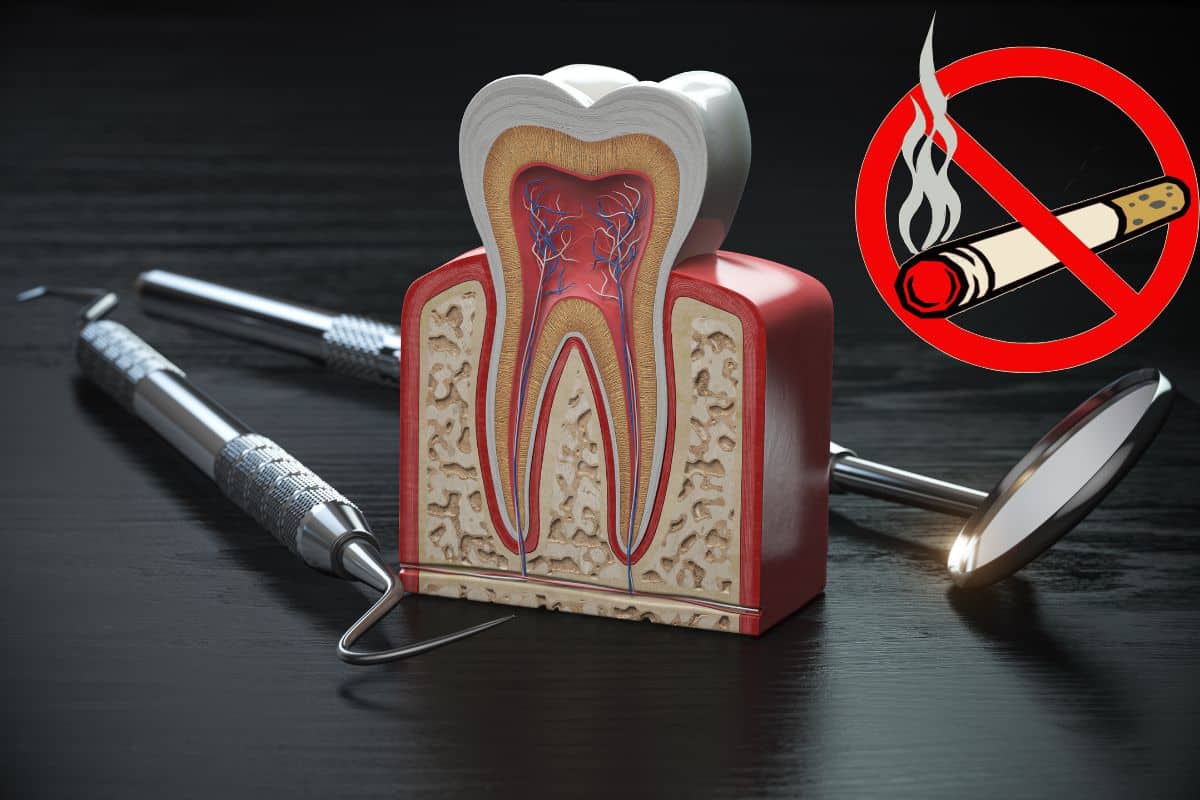
A root canal is a common dental procedure performed to save either a damaged or infected tooth. After the therapy, many patients ask themselves how their daily activities will need to change, most notably smoking. One of the most common questions that dentists get is: “can you smoke after a root canal?
The short answer is no, at least not right away. After dental work smoking can affect recovery and raise the chance of complications through the tobacco effects on healing. In this article, we will discuss why dentists urge to hold off on smoking, how long you should wait and helpful recovery tips following a root canal.
What Happens in a Root Canal?
Root canal treatment removes infected or inflamed pulp from the inside of the tooth. The dentist cleans, disinfects and seals the tooth.
While the procedure minimizes pain and salvages the tooth, surrounding tissues require time to heal. During this recovery period, proper aftercare is fundamental.
Is It Okay to Smoke After a Root Canal?
One common question that patients ask is, “can you smoke after root canal?” It is highly recommended that you avoid smoking for at least 48–72 hours post-op.
Smoking releases heat, toxins and chemicals into your mouth, which may:
- Irritate sensitive tissues
- Slow down healing
- Increase the risk of infection
- Hinder blood supply in the gums
In fact, smoking can prolong recovery and cause pain after the procedure because a root canal leaves the treated area temporarily vulnerable.
What Makes Smoking After a Root Canal Dangerous
Knowing the risks helps explain why dentists recommend against smoking in recovery.
- Delayed Healing
Nicotine constricts blood vessels and thus decreases the oxygen necessary for healing tissues. This will markedly prolong the speed of healing.
- Higher Risk of Infection
Tobacco smoke contains harmful bacteria and chemicals that can penetrate the area of the treated tooth, which increases the risk of post-treatment infection.
- Increased Pain and Sensitivity
Smoking also irritates the treated tooth and its surrounding gums, which can cause extra pain or extended sensitivity time.
- Compromised Dental Restoration
If your root canal is accompanied by a filling or dental crowning, smoking too soon can prevent the stability of said restoration.
How Long Should You Wait Before Smoking?
The importance of smoking after a root canal If you’re still asking again can you smoke after a root canal?, the safest recommendation is:
- Do not smoke for at least 72 hours.
- In a perfect world, this should be postponed until the permanent crown or restoration is cemented!
Ideally, the longer you abstain from smoking, the better your chances of a successful recovery and long-lasting tooth treatment.
How to Recover Faster After a Root Canal
Good aftercare can help your tooth heal quickly and comfortably.
- Follow your dentist’s instructions
Always follow the after-care instructions your dentist gives you.
- Avoid smoking and alcohol
Both can delay healing and irritate oral tissues.
- Eat soft foods
For the first day or two, stick just to yogurt, soup, mashed potatoes and smoothies.
- Maintain good oral hygiene
Brush and floss carefully without brushing the treated area if it is sensitive.
- Attend follow-up appointments
Your dentist may have to put a crown on or monitor how well it’s healing.
When to Call Your Dentist
Mild discomfort is common after root canal treatment. But if you do have:you should call your dentist.
- Severe or persistent pain
- Swelling that worsens
- Fever or signs of infection
- Sensitivity that extends beyond a few days
Prompt treatment can help you avoid complications and protect your restored tooth.
Final Thoughts
Can you smoke after a root canal? As tempting as it might be to get back into your normal routine immediately, smoking too soon after surgery can impede healing and increase the risk of complications.
To allow for optimum healing, do not smoke at least 48–72 hours and follow the aftercare directions your dentist provides you with scrupulously. Keeping the treated tooth safe during this vital recovery time helps to ensure a successful outcome and one you can enjoy for many years to come!