
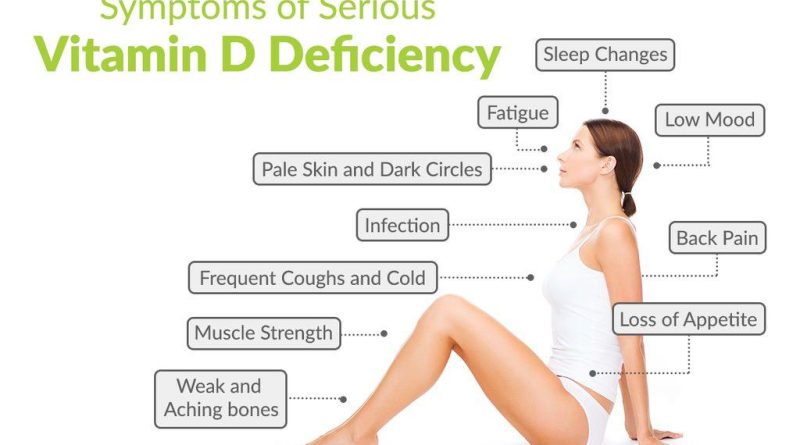
6 Early Signs of Vitamin D Deficiency You Should Never Ignore
Vitamin D plays a major role in your immune system, mood, bones, and energy levels. Yet millions of people are deficient without knowing it. Low vitamin D develops slowly, so the symptoms often seem unrelated — until they become harder to ignore.
Here are 6 early signs of vitamin D deficiency and what you can do to boost your levels naturally.
1. Constant Fatigue and Low Energy
One of the earliest — and most overlooked — signs of low vitamin D is persistent tiredness. Even after sleeping well, you may feel drained or unfocused throughout the day.
Why it happens:
Vitamin D helps your mitochondria produce energy. Low levels = low energy.
What helps:
-
Spend 15–20 minutes in sunlight
-
Include vitamin D-rich foods: eggs, fortified milk, salmon
2. Frequent Illness or Weak Immunity
If you catch colds more often than usual, your vitamin D levels may be playing a role. Vitamin D strengthens the immune response and helps your body fight infections.
What helps:
-
Add zinc + vitamin D foods
-
Stay active and hydrated
3. Bone Pain or Lower Back Aches
Vitamin D helps your body absorb calcium. Without enough of it, you may experience bone discomfort, especially in the lower back, hips, and legs.
What helps:
-
Increase sunlight exposure
-
Add calcium-rich foods
4. Mood Changes or Feeling Low
Low vitamin D is linked to mood swings, irritability, and even mild depression. This is because vitamin D influences serotonin — the “feel-good” hormone.
What helps:
-
Light exercise
-
Outdoor activities
-
Foods that support brain health (nuts, fatty fish, seeds)
5. Hair Thinning or Slow Hair Growth
Severe vitamin D deficiency may contribute to hair thinning or slow regrowth. Vitamin D supports hair follicle health and growth.
What helps:
-
Omega-3 fatty acids
-
Sun exposure + vitamin D-rich diet
6. Slow Wound Healing
If small cuts or bruises take longer than usual to heal, low vitamin D could be a factor. Vitamin D plays a role in inflammation control and tissue repair.
What helps:
-
Strengthen immunity
-
Eat antioxidant-rich foods (berries, spinach, almonds)
Common Causes of Vitamin D Deficiency
-
Staying indoors most of the time
-
Living in high-pollution or low-sunlight areas
-
Darker skin (more melanin = less vitamin D absorption)
-
Low-nutrient diet
-
Obesity (vitamin D gets trapped in fat tissue)
Healthy Sources of Vitamin D
To naturally boost your levels:
Sunlight (best source)
10–20 minutes daily, depending on skin tone and climate.
Foods high in vitamin D:
-
Salmon
-
Egg yolks
-
Fortified cereals
-
Mushrooms
-
Tuna
-
Dairy products
Supplements (optional)
If your levels remain low, a vitamin D supplement may help — but always consult a healthcare professional.
When You Should See a Doctor
Get a vitamin D test if you experience:
-
Constant fatigue
-
Unexplained bone or back pain
-
Hair loss
-
Mood issues
-
Weak immunity
A simple blood test can confirm deficiency.
Final Thoughts
Vitamin D deficiency develops quietly — but affects nearly every part of your health, from immunity and mood to energy and bone strength. By paying attention to early signs and making small lifestyle changes, you can restore healthy vitamin D levels naturally and improve how you feel every day.