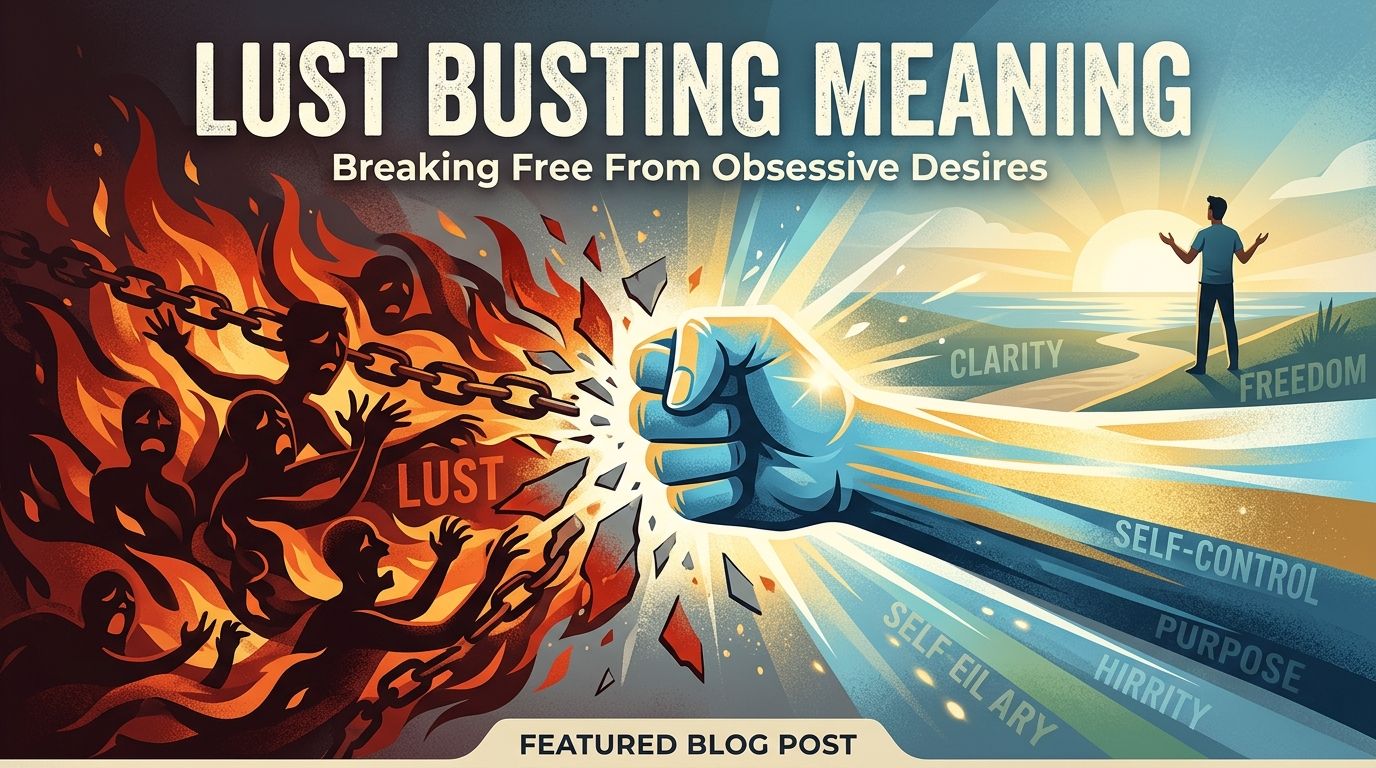
In the world we live in today people are always being exposed to things that can trigger desires, especially sexual desires. This has led to people talking about “lust busting” a lot.. What does lust busting really mean? Is it about stopping yourself from feeling desire controlling your impulses or is it something that has to do with understanding yourself and being disciplined? This guide is going to explore what Lust Busting Meaning how it affects us psychologically and emotionally and give you some practical and healthy ways to manage your lust. Whether you want to improve yourself have mental clarity or be more in control of your emotions understanding lust busting can be really helpful.
What Is Lust Busting Meaning?
At its core lust busting is about making an effort to control reduce or get rid of excessive sexual thoughts and desires. It’s not about denying that you have human instincts but about stopping those instincts from becoming too much distracting you or hurting you.
Breaking Down the Term:
- Lust: A strong sexual desire or craving.
- Busting: Slang for breaking, controlling, or eliminating something.
So, lust busting meaning can be understood as:
Why Is Lust Control Important?
Lust, when left unchecked, can interfere with various aspects of life. While it is a natural human emotion, excessive indulgence can lead to negative consequences.
1. Mental Health Impact
If you’re always thinking about sex it can distract you make you anxious and even feel guilty. Over time this can affect how well you can focus and be productive.
2. Relationship Issues
If you’re not in control of your lust it can make you have expectations in relationships leading to dissatisfaction or relationships that aren’t healthy.
3. Addiction Risks
Watching content can sometimes lead to compulsive behaviors affecting both your mental and emotional well-being.
4. Loss of Focus and Discipline
If you’re trying to achieve goals whether its in school at work or personally unmanaged lust can get in the way of your progress.
The Psychology Behind Lust
To understand why lust busting is necessary you need to understand the psychology behind lust.
Dopamine and Reward System
Lust is closely linked to dopamine, a neurotransmitter associated with pleasure and reward. Activities like watching explicit content or fantasizing trigger dopamine spikes, reinforcing the behavior.
Habit Formation
Repeated exposure creates neural pathways that make lust-driven behaviors habitual. This is why breaking the cycle requires conscious effort.
Emotional Triggers
Lust is not always purely physical. It can be triggered by:
-
Feeling
Feeling stressed
Feeling bored
Feeling emotionally unsatisfied
Lust Busting vs Suppression: Understanding the Difference
A common misconception is that lust busting means suppressing or ignoring sexual desires. This is not entirely accurate.
Healthy Lust Management
-
Acknowledging your desires without acting on them impulsively
Redirecting your energy into things
Being aware of your emotions
Unhealthy Suppression
-
Denying your natural feelings
Creating conflict inside yourself
Maybe leading to frustration or doing things that aren’t good for you
True lust busting is about being in control not denying your desires.
Practical Techniques for Lust Busting
If you’re looking to apply the concept in your life, here are effective and healthy strategies.
1. Mindfulness and Awareness
Being aware of your thoughts without reacting to them is powerful. Mindfulness helps you observe urges without acting on them.
How to practice:
- Focus on your breathing
- Notice urges without judgment
- Let them pass naturally
2. Physical Activity
Exercise is one of the most effective ways to redirect energy.
Benefits:
- Reduces stress hormones
- Releases endorphins
- Improves focus
Activities like running, gym workouts, or even walking can significantly reduce urges.
3. Digital Discipline
Limiting exposure to triggering content is crucial.
Steps to take:
- Avoid explicit websites
- Use content filters
- Reduce social media scrolling
4. Goal-Oriented Living
Having clear goals reduces idle time and distractions.
Examples:
- Career development
- Learning new skills
- Personal growth projects
When your mind is occupied with meaningful pursuits, lustful thoughts naturally decrease.
5. Social Connections
Healthy relationships can reduce the need for escapism through lust.
Focus on:
- Building meaningful friendships
- Engaging in community activities
- Open communication
6. Cold Showers and Immediate Interruptions
While not a long-term solution, quick interventions like cold showers can help interrupt intense urges.
7. Journaling and Self-Reflection
Writing down your thoughts helps identify patterns and triggers.
Ask yourself:
- When do these urges appear?
- What emotions am I feeling?
- What can I do differently?
Spiritual and Philosophical Perspectives
Many cultures and philosophies emphasize control over desires.
Eastern Philosophies
Traditions like yoga and meditation stress the importance of controlling impulses to achieve higher consciousness.
Religious Teachings
Various religions encourage moderation and discipline, viewing unchecked lust as a distraction from spiritual growth.
Modern Self-Improvement Movements
Concepts like self-mastery and discipline often include managing sexual energy as a key component.
Common Myths About Lust Busting
Myth 1: Lust Is Bad
Reality: Lust is natural. The issue arises only when it becomes excessive.
Myth 2: You Must Eliminate Desire Completely
Reality: The goal is control, not elimination.
Myth 3: Only Certain People Struggle With Lust
Reality: It’s a universal human experience.
Benefits of Practicing Lust Busting
When approached correctly, lust busting can lead to significant improvements in life.
1. Improved Focus
Reduced distractions lead to better productivity.
2. Emotional Stability
Better control over impulses enhances emotional balance.
3. Stronger Relationships
Healthier perspectives improve interpersonal connections.
4. Increased Confidence
Self-control builds self-respect and confidence.
5. Enhanced Mental Clarity
A calmer mind allows for better decision-making.
When to Seek Help
If lust-related behaviors feel uncontrollable or start affecting daily life, it may be helpful to seek professional support.
Consider help if:
- You feel addicted to explicit content
- It interferes with work or relationships
- You experience guilt or distress
Therapists and counselors can provide structured guidance and coping strategies.
Conclusion
Understanding lust busting goes beyond just a trend or a phrase. It represents an effort to take control of your impulses and channel your energy into healthier more productive directions.
Rather than suppressing your desires lust busting encourages awareness, discipline and balance. By applying techniques, like mindfulness, physical activity and goal-setting you can achieve better mental clarity, emotional stability and overall well-being.