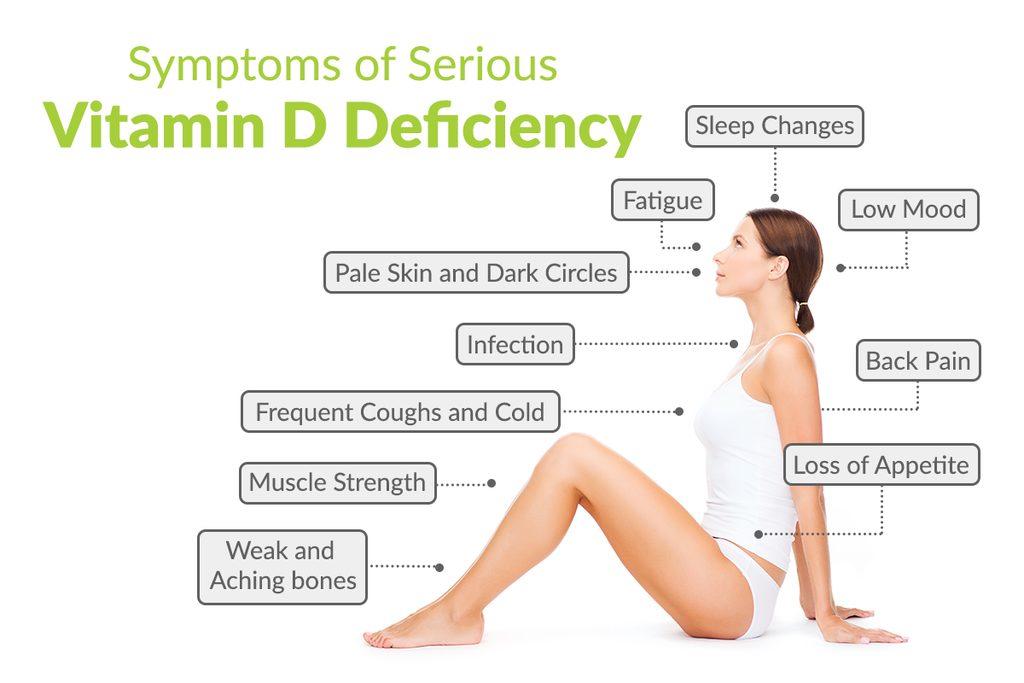
Magnesium is one of the most important minerals in the human body — yet nearly half of people don’t get enough of it. Magnesium supports nerve function, muscle relaxation, heart health, sleep quality, and energy production. When levels drop, your body begins sending subtle warning signs, but many people mistake them for stress, dehydration, or poor sleep.
Here are 7 early signs of magnesium deficiency and how to naturally restore your levels.
1. Muscle Cramps and Twitching
If you frequently get leg cramps, eyelid twitching, or sudden muscle spasms, low magnesium may be the reason. Magnesium helps muscles contract and relax properly, so deficiency often causes involuntary movements.
What helps:
-
Bananas, almonds, spinach
-
Light stretching before bed
2. Constant Fatigue and Low Energy
Magnesium is required to produce ATP — your body’s main energy molecule. Without enough magnesium, you may feel exhausted even after sleeping well.
What helps:
-
Include whole grains and beans
-
Stay hydrated to support mineral balance
3. Trouble Sleeping or Restlessness at Night
Magnesium supports melatonin regulation and relaxes the nervous system. Deficiency can cause difficulty falling asleep, frequent waking, or restless sleep.
What helps:
-
A warm bath before bedtime
-
Sleep-friendly foods like kiwi or yogurt
4. Anxiety, Irritability, or Mood Changes
Low magnesium affects neurotransmitters linked to mood stability. If you’re feeling unusually anxious, irritable, or overwhelmed, your magnesium levels may be lower than normal.
What helps:
-
Deep breathing
-
Magnesium-rich snacks like pumpkin seeds
5. Headaches or Frequent Migraines
Magnesium deficiency can trigger tension headaches and migraines by affecting blood flow and nerve signaling.
What helps:
-
Prioritize hydration
-
Add leafy greens daily
6. Irregular Heartbeat (Mild Palpitations)
Magnesium plays a key role in maintaining a steady heartbeat. Low levels may cause mild palpitations, skipped beats, or chest fluttering.
Note:
If symptoms are frequent or severe, always seek medical evaluation.
7. Tingling or Numbness in Hands and Feet
Low magnesium affects nerve function and may cause tingling, numbness, or “pins and needles” sensations in the limbs.
What helps:
-
Improve circulation through daily walking
-
Include magnesium-rich foods regularly
Common Causes of Magnesium Deficiency
-
High stress levels
-
Excess caffeine or alcohol
-
Poor diet
-
Digestive problems affecting absorption
-
Certain medications (consult a doctor if concerned)
Best Foods to Increase Magnesium Naturally
Include these foods daily to boost magnesium levels:
-
Spinach
-
Almonds
-
Oatmeal
-
Avocado
-
Dark chocolate (70%+)
-
Pumpkin seeds
-
Lentils
-
Yogurt
These foods support muscle function, better sleep, and improved energy.
Should You Take a Magnesium Supplement?
Most people can improve magnesium levels through diet alone. However, supplements may help if:
-
Fatigue persists
-
Stress levels are high
-
You have frequent muscle cramps
Always talk to a healthcare professional before starting supplements — especially if you have any medical conditions.
Final Thoughts
Magnesium plays a powerful role in daily energy, sleep, mood, and muscle health. By recognizing the early signs of magnesium deficiency, you can make simple dietary and lifestyle changes that improve your overall well-being naturally.
Small steps — like adding more leafy greens, nuts, and seeds — can make a big difference in how you feel every day.